B2B Buyer’s Guide: Warranty, Training, and Shipping FAQ for 1064nm Nd:YAG
Overview
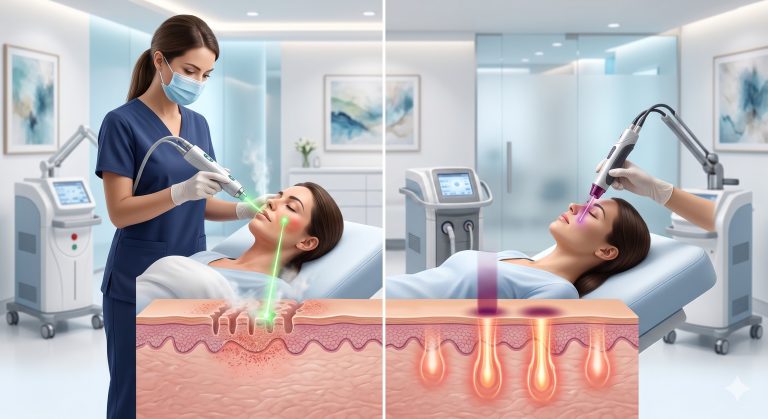
Pseudofolliculitis barbae (PFB), or razor bumps, affects a significant portion of men with curly or coarse hair, particularly Fitzpatrick skin types IV-VI. The 1064nm Nd:YAG laser is the gold-standard solution due to its deep penetration and melanin safety profile. This B2B FAQ addresses pre-sales and post-sales concerns for clinic owners and dermatologists investing in this technology.

Frequently Asked Questions
Q1: Is the 1064nm Nd:YAG laser safe and effective for all Fitzpatrick skin types when treating PFB?
Yes, the 1064nm Nd:YAG laser is safe and effective for Fitzpatrick skin types I-VI, including dark and tanned skin. Unlike shorter wavelengths, 1064nm bypasses epidermal melanin absorption, reducing the risk of hyperpigmentation or burns. For PFB, it targets the dermal hair follicle and bulb while preserving the epidermis, making it the preferred choice for multi-ethnic patient populations.
Q2: What is the typical ROI and payback period for a clinic investing in a 1064nm Nd:YAG for PFB?
Most clinics achieve full ROI within 6 to 12 months based on 10-15 PFB treatments per week. At an average USD 250-400 per session (PFB often requires 6-8 sessions), gross revenue per patient ranges from USD 1,500-3,200. Low consumable costs (no gels or disposables required) and high patient retention due to visible results accelerate profitability. The handpiece lifespan typically exceeds 1 million shots, offering exceptional cost-per-shot value.
Q3: What pre-sales technical specifications should I evaluate for PFB efficacy?
Prioritize a 1064nm Nd:YAG with a fluence of 10-40 J/cm², a large spot size (12-18 mm for deeper penetration and faster treatment), and a pulse duration of 30-60 ms for PFB. Integrated contact cooling (sapphire tip at -4°C to 4°C) is mandatory for epidermal protection. Ensure the system has an adjustable repetition rate (1-10 Hz) for high-throughput clinics and presets for pseudofolliculitis barbae to minimize operator error.
Q4: What type of training and post-sales technical support is included for clinic staff?
Reputable B2B suppliers include initial on-site or virtual training for 2-3 clinicians, covering skin typing, parameter settings for PFB, handpiece positioning, and safety protocols. Post-sales support includes a dedicated technical hotline, remote troubleshooting (often within 24 hours), and a library of clinical protocols. Advanced packages offer refresher training after 12 months and access to a certified trainer for new hires.
Q5: What is the warranty structure, and what consumables require regular replacement?
Standard warranties cover the laser console for 2-3 years and the handpiece for 6-12 months or up to a shot count (e.g., 500,000 shots). The primary consumable is the Nd:YAG flashlamp (2,000-3,000-hour lifespan or 2-3 years) and the water circulation filters. There are no patient-specific disposables, significantly lowering ongoing costs. Ask about extended warranty options that include preventive maintenance visits annually.
Q6: How do I maintain the 1064nm Nd:YAG system to ensure consistent PFB outcomes?
Perform daily visual inspection of the sapphire cooling tip for cracks. Weekly: clean the tip with isopropyl alcohol, check distilled water levels, and inspect the air intake filters. Every 3-6 months: replace the water deionization cartridge and calibrate energy output using a power meter. Quarterly preventive maintenance by a certified engineer maximizes handpiece shot lifespan and ensures fluence accuracy for PFB.
Q7: What combination therapies work synergistically with 1064nm Nd:YAG for PFB?
Combine 1064nm Nd:YAG with topical anti-inflammatory creams (hydrocortisone 1% or clindamycin) for severe inflammatory PFB. For patients with post-inflammatory hyperpigmentation, a Q-switched 1064nm Nd:YAG in low-fluence toning mode can be used as an adjunct 2 weeks before hair reduction sessions. Avoid concurrent chemical peels or retinoids 1 week before/after laser to prevent epidermal compromise.
Q8: What are the most common technical errors when treating PFB with 1064nm Nd:YAG?
The most frequent error is insufficient fluence due to dirty optics or aging flashlamp, resulting in poor hair reduction. Second: failing to achieve full contact between the sapphire cooling tip and skin, leading to patient discomfort or burns. Third: using pulse durations shorter than 30 ms on darker skin types. Regular calibration, proper skin contact technique, and following Fitzpatrick-based parameter tables eliminate >90% of side effects.