The Ultimate Clinic Guide to co2 fractional laser vaginal rejuvenation technology: Efficacy, Wavelengths, and ROI
Introduction: The Clinical Imperative of Vaginal Rejuvenation
Genitourinary Syndrome of Menopause (GSM) and vulvovaginal atrophy (VVA) represent a significant, yet often underdiagnosed, clinical burden affecting up to 50% of menopausal women . Traditional therapeutic mainstays, including local estrogen therapy and vaginal moisturizers, present limitations, particularly for patients with hormone-sensitive conditions such as breast cancer . This clinical gap has driven the rapid adoption of co2 fractional laser vaginal rejuvenation technology as a non-hormonal, second-line treatment modality . As an elite B2B medical aesthetic device consultant, I evaluate this technology not only on clinical outcomes but on its capacity to transform clinic service offerings and deliver a robust return on investment (ROI).
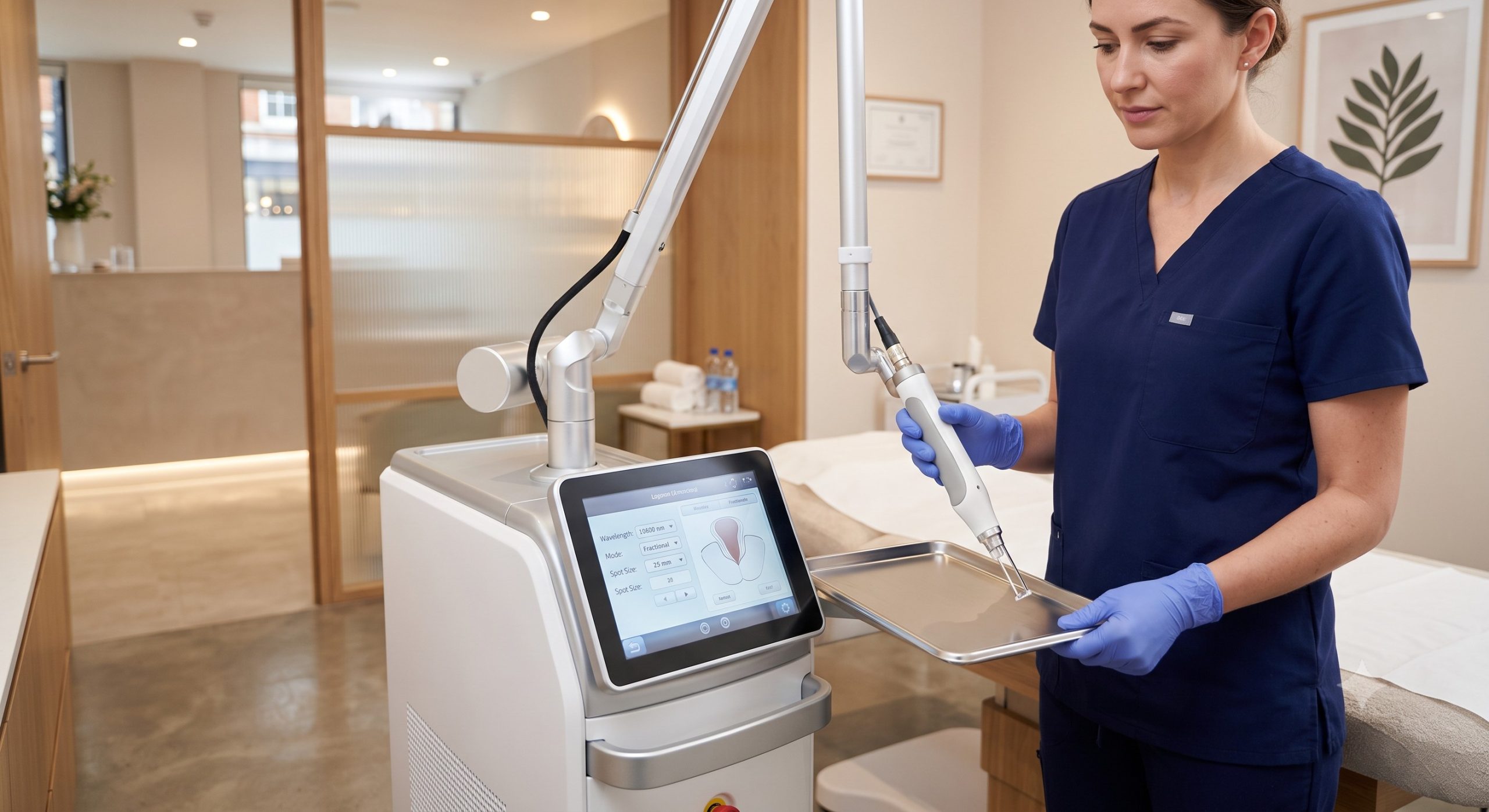
The mechanism of action relies on fractional photothermolysis. By delivering a precisely controlled 10,600nm wavelength laser beam, the system creates microscopic ablative zones within the vaginal epithelium . This process initiates a wound-healing cascade, stimulating neocollagenesis, angiogenesis, and the restoration of a thicker, more glycogenated epithelial layer akin to a premenopausal state . The result is a multifaceted improvement in tissue integrity, lubrication, and overall sexual function.
Physical Mechanism & Tissue Interaction of CO2 Fractional Lasers
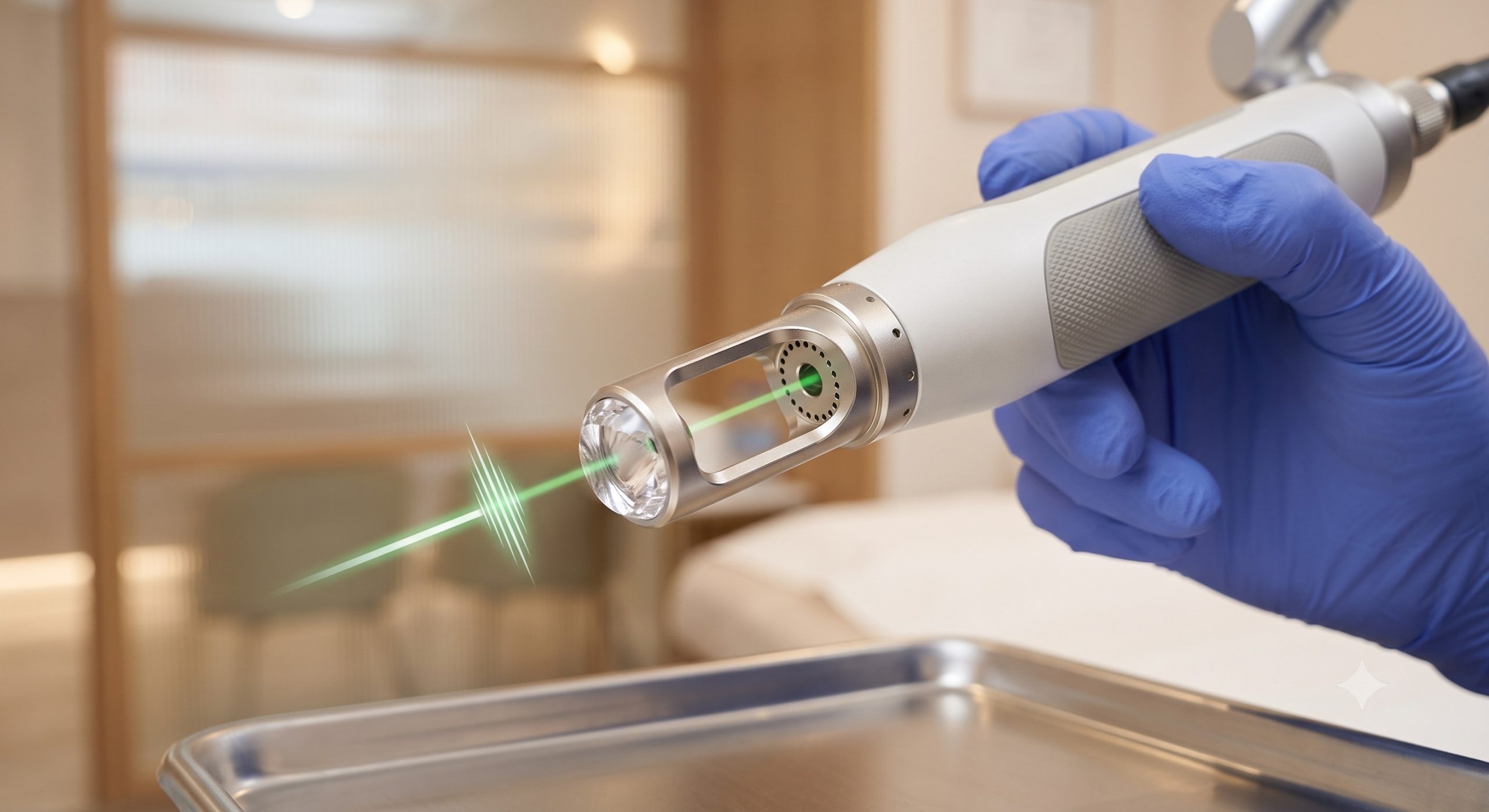
The efficacy of co2 fractional laser vaginal rejuvenation technology is rooted in its specific interaction with tissue. The 10,600nm wavelength corresponds to a peak absorption coefficient for water. When applied to the vaginal mucosa, the laser energy is rapidly absorbed by intracellular water, leading to vaporization (ablation) and the formation of Micro-Ablative Columns (MAZs) . Surrounding these columns is a zone of thermal coagulation. This precise, fractional approach spares healthy tissue bridges, facilitating rapid re-epithelialization and minimizing patient downtime .
Clinical endpoints are driven by the physical parameters of the device. Clinicians must understand the interplay between spot size, beam density, and energy fluence to tailor treatments. The thermal coagulation zone is critical; it is this zone that triggers the long-term remodeling of collagen and elastic fibers, leading to vaginal tightening and improved support to the urethra, which is pivotal for treating mild stress urinary incontinence (SUI) .
Core Technical Specifications
When evaluating a system for your clinic, understanding the core engine is paramount. The performance of a co2 fractional laser is dictated by its internal components, typically utilizing either Metal RF Tube or Glass Tube technology . Metal RF tubes often offer superior longevity and consistent energy output. Furthermore, system versatility is enhanced by the availability of various scan shapes and handpieces for both surgical and vaginal applications . The table below outlines the critical technical metrics that should influence your procurement decision.
| Key Parameter | Clinical Significance | Typical Specification |
|---|---|---|
| Laser Wavelength | Primary target for water absorption, determines ablation and coagulation depth | 10,600nm (CO2) |
| Spot Size / Beam Diameter | Influences treatment speed and penetration depth | 100-500μm (Variable) |
| Energy Density / Fluence | Determines the degree of tissue ablation and thermal damage | 5-50 mJ (Adjustable) |
| Pulse Width | Controls the dwell time of the laser, affecting the coagulation zone | Varies by device, micro-second range |
| Scan Shape & Pattern | Allows for customization of treatment density and coverage | 7+ Shapes (e.g., Square, Round, Linear) |
| Cooling System | Epidermal protection and patient comfort during treatment | Sapphire Contact Cooling / Air Cooling |
| Regulatory Compliance | Standards ensuring patient safety and device reliability | Medical CE, FDA 510(k), ISO 13485 |
| Technology Type | Determines the longevity and consistency of the laser source | Metal RF Tube / Glass Tube |
Clinical Efficacy: Data-Driven Outcomes for GSM and VVA
The clinical utility of co2 fractional laser vaginal rejuvenation technology is well-documented across multiple prospective studies and randomized controlled trials (RCTs). A prospective pilot study of 73 postmenopausal women demonstrated significant improvements across all domains of the Female Sexual Function Index (FSFI), with total scores increasing from a median of 18.2 to 25.5 (p < 0.001), crossing the threshold for clinically relevant sexual function . This was coupled with a drastic reduction in vaginal itching, dryness, burning, and dyspareunia.
Further research supports the long-term durability of these effects. One retrospective study tracking patients over 24 months reported that 41% of patients remained satisfied with their treatment outcomes, with significant sustained reductions in vaginal dryness and hypoesthesia during intercourse . Additionally, a 36-month follow-up study on urinary symptoms found that improvements in stress urinary incontinence (SUI) and overactive bladder (OAB) symptoms were durable over time . It is important to note, however, that recent meta-analyses emphasize the significant placebo effect associated with laser therapies; unblinded data must be interpreted with caution, though objective improvements in tissue histology and vaginal microbiome remain robust .
Vaginal Microbiome Restoration and Epithelial Health
Beyond symptomatic relief, a compelling biological benefit of co2 fractional laser vaginal rejuvenation technology is the restoration of the vaginal microbiome. A healthy premenopausal vagina is dominated by Lactobacillus species, which produce lactic acid to maintain a low pH (3.5-4.5) and prevent pathogenic colonization. Menopause disrupts this ecosystem, leading to increased pH and susceptibility to infection.
A 2025 prospective study published in the International Journal of Women’s Health demonstrated that fractional CO2 laser therapy significantly increased the prevalence of Lactobacillus from 27.9% at baseline to 58.1% at 32 weeks post-treatment . Concurrently, the mean Nugent scores decreased significantly, indicating a shift toward a healthier microbial profile. These microbiological improvements correlated directly with reductions in vaginal pH and symptoms of VVA, reinforcing the laser’s role in not just structural remodeling but also functional restoration of the vaginal ecosystem .
Target Indications and Patient Selection
The versatility of co2 fractional laser vaginal rejuvenation technology makes it a cornerstone of aesthetic and functional gynecology. Key indications include :
- Vulvovaginal Atrophy (VVA) and Genitourinary Syndrome of Menopause (GSM)
- Vaginal Laxity and decreased sensation
- Dyspareunia (painful intercourse)
- Vaginal Dryness and itching
- Mild Stress Urinary Incontinence (SUI)
- Vulvar rejuvenation (improving texture and pigmentation)
Patient selection is critical for achieving superior outcomes and maintaining high patient satisfaction. Ideal candidates include postmenopausal women seeking non-hormonal solutions, breast cancer survivors for whom topical estrogen is contraindicated, and women experiencing postpartum changes . Standard treatment protocols typically involve 3 to 4 sessions spaced 4 to 6 weeks apart, with maintenance therapy recommended annually .
Clinic ROI and Integration Strategy
Integrating co2 fractional laser vaginal rejuvenation technology is a strategic high-yield investment for the modern MedSpa or gynecology practice. The procedure is typically billed as a high-ticket, out-of-pocket service, offering substantial profit margins relative to consumable costs. With treatment sessions averaging 15-20 minutes and requiring minimal consumables, clinics can achieve high patient throughput without significant operational bottlenecks .
Furthermore, this technology serves as a powerful patient acquisition and retention tool. Patients seeking vaginal rejuvenation are often highly motivated and demonstrate a willingness to invest in their quality of life. By offering this service, clinics can address a critical unmet need, differentiate themselves from competitors, and build a loyal patient base that returns for annual maintenance sessions. The capital expenditure (CapEx) for a high-quality CE-marked and FDA-cleared system is quickly offset by the treatment revenue and the cross-selling potential of other wellness and aesthetic services.
Conclusion: The Future of Women’s Health
CO2 fractional laser vaginal rejuvenation technology represents a paradigm shift in the management of GSM, VVA, and pelvic floor health. By leveraging the precision of fractional photothermolysis, this technology offers a safe, effective, and non-hormonal alternative that addresses the root physiological changes associated with menopause.
For the forward-thinking clinic, investing in this technology is not merely an expansion of the service menu; it is a commitment to providing comprehensive, evidence-based care for a growing and underserved patient demographic. The clinical data supports its efficacy, and the business case is compelling. As the body of evidence continues to grow, co2 fractional laser vaginal rejuvenation is poised to become the standard of care for functional and aesthetic gynecology.