B2B Buyer’s Guide: Warranty, Training, and Shipping FAQ for Picosecond Laser
Overview
For B2B clinic buyers, the clinical efficacy of a Picosecond laser is a given. The true challenge lies in effective local marketing to fill your appointment books and ensure a rapid return on investment. This FAQ addresses the strategic business and technical support questions that clinic owners and dermatologists ask when learning how to market their new investment. We cover pre-sales, post-sales, and patient engagement strategies.
Frequently Asked Questions
Q1: What is the most effective local marketing strategy for a new Picosecond laser?
The most effective strategy is a multi-channel approach combining hyper-local SEO and influencer partnerships. This involves optimizing your Google Business Profile for tattoo removal and pigmentation treatments, and collaborating with local micro-influencers to showcase before-and-after results. This drives high-intent traffic and builds community trust.
Q2: How can I differentiate my Picosecond laser services from competitors using older Q-Switched lasers?
Differentiate your clinic by marketing the Picosecond laser’s superior technology for faster clearance rates and fewer treatments. Clinically, the pressure pulse from a Picosecond laser is significantly shorter, breaking ink particles into smaller fragments for easier removal by the body’s lymphatic system . Emphasize this by launching a dedicated landing page that explains the mechanism and showcases superior results for stubborn tattoos and pigmentation.
Q3: What are the best ways to attract ideal patients for Picosecond laser treatments locally?
Target patients by utilizing direct mail campaigns with QR codes linking to educational videos. Furthermore, a highly targeted social media ad campaign on platforms like Instagram and Facebook should focus on specific demographics (e.g., individuals with pigmentation concerns or specific tattoo styles), directing them to a localized landing page. This combination improves conversion rates by making the patient journey easy and educational.
Q4: What post-sales technical support and training can I expect for marketing purposes?
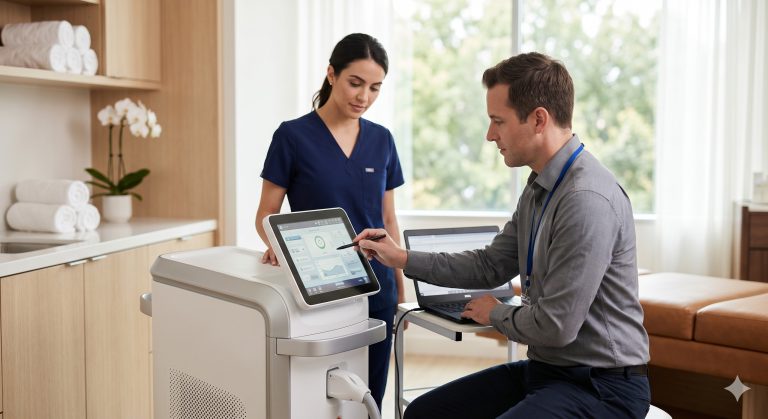
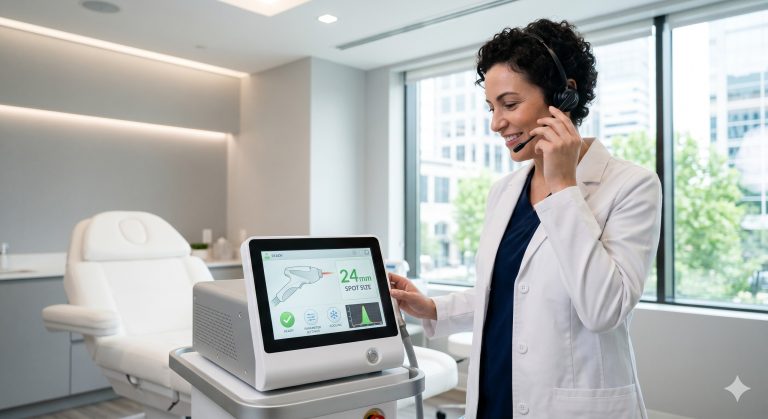
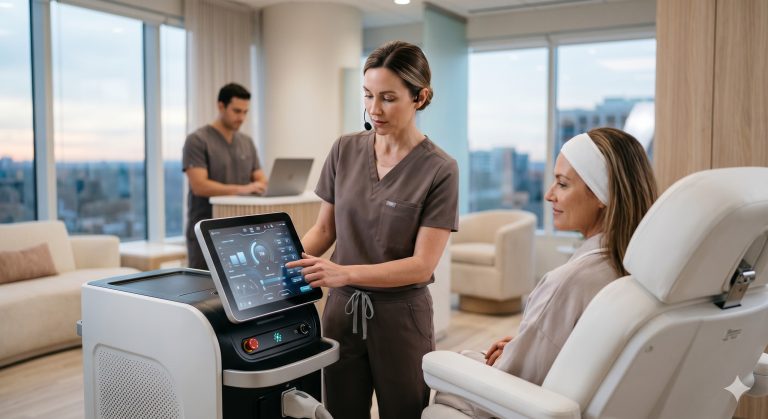
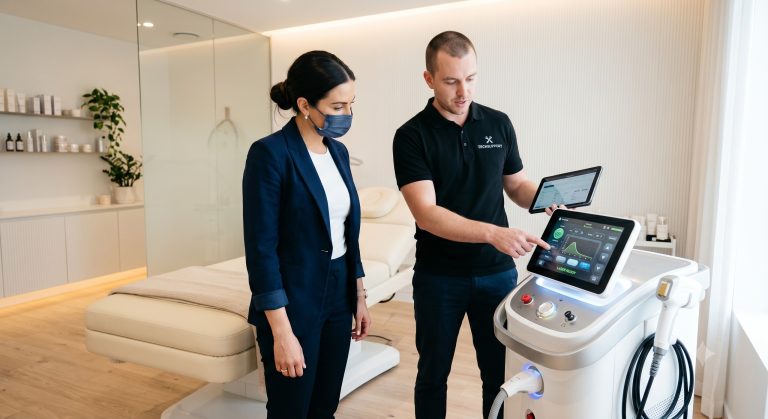
Comprehensive post-sales support includes clinical training on optimal settings for various skin types and device operation. From a marketing perspective, you should also request technical datasheets and high-quality imagery from your supplier. These assets are crucial for developing professional marketing collateral that attracts B2B partners and high-value patients.
Q5: How should I handle patient concerns about pain to improve retention?
To maximize patient retention, implement and market a robust pre-care and post-care protocol. This involves using a topical anesthetic and educating patients on aftercare. From a marketing standpoint, promote the advanced cooling systems of the Picosecond laser to reassure patients, which significantly increases word-of-mouth referrals .
Q6: How can I ensure my marketing materials comply with medical device regulations?
Ensure your marketing materials are FDA or CE compliant by using clinical language that is factually accurate and avoiding any unsubstantiated ‘miracle cure’ claims. Always include standard disclaimers in your copy. This practice establishes your clinic as a reputable, trustworthy authority, which is essential for converting B2B leads and is a core component of a robust marketing strategy .
Q7: What ROI factors should I communicate to potential B2B partners or stakeholders?
When communicating ROI to partners, focus on the low consumable expenditure and high throughput capacity of the Picosecond laser. Position the machine as a high-revenue generator by leveraging packages for tattoo removal that typically require fewer sessions. Highlighting the short return on investment (ROI) period compared to older technologies makes it an attractive investment for med spas and clinics.