Summer Laser Hair Removal FAQ: Expert Answers for Aesthetic Clinics & Dermatologists
Overview
As a technical support engineer, I frequently field questions from clinic owners and dermatologists about performing laser hair removal treatments during the summer. While the increased sun exposure presents unique challenges, modern laser technology with advanced cooling systems allows for safe and effective treatments year-round when proper protocols are followed. This FAQ addresses the clinical, operational, and patient management concerns specific to summer treatments, ensuring your clinic can maintain high standards of care and patient satisfaction even during the peak season.
[IMAGE_1]Frequently Asked Questions
Q1: Is it safe to perform laser hair removal on tanned skin during the summer?
Yes, it is generally safe to perform laser hair removal on tanned skin, but it requires strict adherence to modified treatment parameters and pre-treatment assessment. The increased melanin in tanned skin competes with the hair follicle for laser energy, elevating the risk of epidermal burns and hyperpigmentation. Clinical best practice dictates using longer wavelengths (e.g., 1064nm Nd:YAG), lower fluence settings, and larger spot sizes to preferentially target the follicle while minimizing epidermal absorption. A mandatory patch test 48 hours prior to full treatment is the gold standard to determine the safe energy threshold for each patient’s current skin tone.
Q2: How does the advanced contact cooling system protect patients during summer treatments?
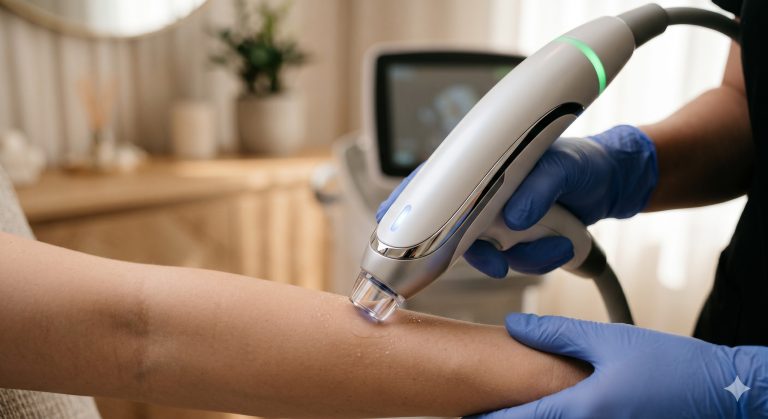
Advanced contact cooling systems are crucial for epidermal protection, as they actively lower the skin’s surface temperature before, during, and after the laser pulse. These systems typically use a sapphire tip cooled to between 0°C and 5°C, which provides a continuous thermal buffer. During summer, when baseline skin temperatures are higher, the cooling mechanism must work harder to maintain a safe epidermal temperature below the threshold for thermal injury (typically 45°C). This allows clinicians to deliver effective therapeutic energy to the follicle while keeping the epidermis cool and comfortable, significantly reducing the risk of side effects in sun-exposed patients.
Q3: What are the specific pre-treatment guidelines for patients with recent sun exposure?
Clinics must enforce a strict policy of no sun exposure or artificial tanning for a minimum of 4 weeks prior to treatment to ensure patient safety. This is a non-negotiable clinical standard to minimize the risk of adverse events. For patients with mild, unavoidable sun exposure, a detailed skin assessment using a Fitzpatrick skin type evaluation and a Wood’s lamp examination is mandatory. In such cases, treatment should be postponed or performed with significantly reduced energy settings, and patients must be thoroughly counseled on the increased risks and expected outcomes.
Q4: What post-treatment care instructions are critical for summer patients?
Post-treatment care in the summer is centered around strict sun protection and heat avoidance to prevent complications. Patients must be instructed to apply a broad-spectrum sunscreen with SPF 50+ to the treated area every two hours and to avoid direct sunlight for at least 2 weeks. Additionally, they should avoid activities that induce sweating, such as intense exercise or saunas, for 48 hours to prevent folliculitis. Clinics should provide a written aftercare plan and consider offering a complimentary cooling gel or post-treatment serum to enhance patient compliance and comfort.
Q5: Does the efficacy of summer treatments differ from winter treatments?
The efficacy of a laser treatment is based on the contrast between the target (hair follicle) and the surrounding skin, meaning that tanned skin can reduce this contrast and potentially diminish results. However, using appropriate parameters with a 1064nm Nd:YAG laser can still achieve excellent clearance rates, as this wavelength penetrates deeper and is less affected by epidermal melanin. The primary difference is that achieving the same clinical endpoint may require a higher number of sessions or more conservative settings, making it essential to set realistic patient expectations about the treatment timeline during summer months.
Q6: How can clinics manage patient flow and expectations during peak summer season?
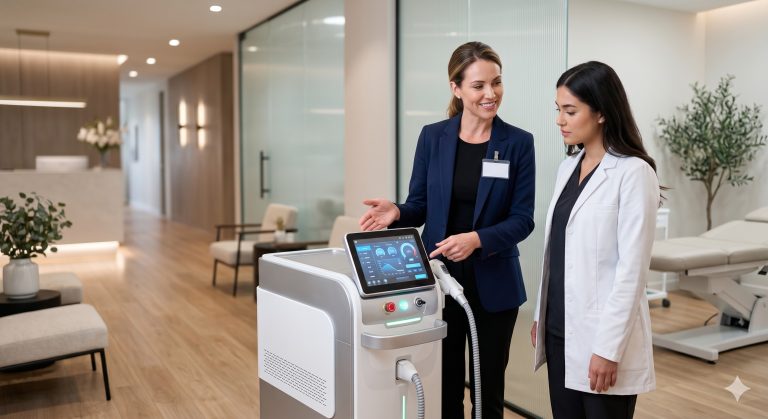
Effective management involves implementing a comprehensive seasonal protocol that includes pre-treatment screening, staff training on modified settings, and clear patient communication. To optimize patient flow, clinics should consider scheduling ‘high-risk’ patients during off-peak hours to allow for longer consultation and treatment times. Furthermore, offering package deals that include post-treatment skincare products can increase patient retention and average transaction value. Transparent communication about the need for multiple sessions and the potential for slightly slower progress during summer builds trust and reduces the likelihood of patient dissatisfaction.
Q7: What are the technical adjustments required for summer laser hair removal protocols?
Technical adjustments are primarily focused on reducing epidermal thermal load while maintaining therapeutic fluence. This involves selecting the deepest-penetrating wavelength available (typically 1064nm), reducing fluence by 10-20% from the standard setting for a given skin type, and utilizing a larger spot size to reduce energy density at the surface. Additionally, increasing the cooling system’s pre-cooling time and ensuring the handpiece’s sapphire tip is thoroughly cleaned between pulses for optimal thermal conductivity are critical operational steps. Clinicians should always use a test spot and observe the skin’s immediate response before proceeding with the full treatment area.