Continuous Wave vs. Pulsed Wave FAQ: Expert Answers for Aesthetic Clinics & Dermatologists
Overview
Choosing between Continuous Wave (CW) and Pulsed Wave (PW) technology is a critical decision for any medical aesthetic practice. This FAQ addresses the core technical, clinical, and business questions that clinic owners and dermatologists ask when evaluating these systems. We break down the science of selective photothermolysis, safety profiles, operational costs, and patient outcomes to help you make an informed investment.
Frequently Asked Questions
Q1: What is the fundamental difference between Continuous Wave and Pulsed Wave lasers in aesthetics?
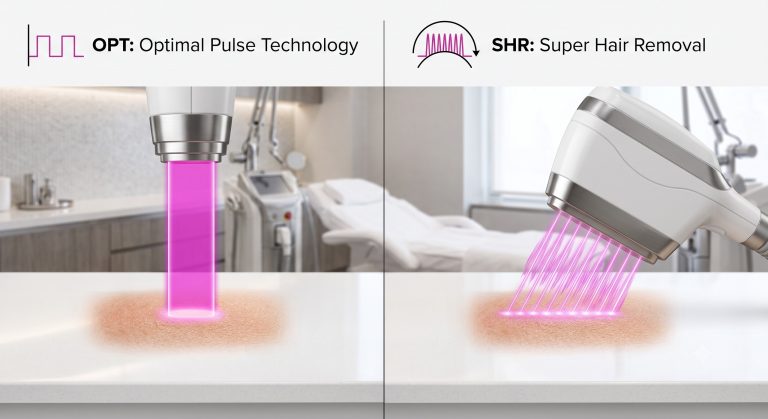
The primary difference lies in how the laser energy is delivered. A Continuous Wave (CW) laser emits a constant, uninterrupted beam of light for as long as the footswitch is activated, while a Pulsed Wave (PW) laser delivers energy in short, high-peak-power bursts with specific ‘on’ and ‘off’ times. For aesthetic applications, this is critical because PW technology allows for the delivery of high energy in a fraction of a second, which is essential for achieving selective photothermolysis—targeting specific chromophores like melanin or hemoglobin while minimizing thermal damage to the surrounding epidermis. CW lasers, in contrast, are generally older technology used for coagulation and hemostasis in surgical settings, and are not typically recommended for safe, modern hair removal or skin rejuvenation due to the high risk of side effects like burns and scarring, especially in darker skin types.
Q2: Is Pulsed Wave technology safer for all Fitzpatrick skin types?
Yes, modern Pulsed Wave systems are significantly safer and are the only recommended choice for treating Fitzpatrick skin types I-VI. The safety advantage comes from the short pulse durations (e.g., milliseconds) that allow the laser energy to be absorbed by the target (e.g., hair follicle melanin) before significant heat can dissipate to the surrounding water-rich epidermis. To further protect the skin, these systems incorporate advanced contact cooling, which cools the skin’s surface before, during, and after the pulse. Continuous Wave lasers lack this precise temporal control and cause uncontrolled thermal diffusion, making them unsafe for aesthetic use on anything but the lightest skin types and leading to a high incidence of post-inflammatory hyperpigmentation (PIH) and burns.
Q3: How does treatment efficacy and session count compare between CW and PW systems?
Pulsed Wave lasers are vastly superior in terms of treatment efficacy and require fewer sessions. Because a PW laser can achieve the high fluences (energy densities) needed to destroy the dermal papilla and bulge region of the hair follicle in milliseconds, it damages the stem cells responsible for hair regrowth. Clinical studies show that patients typically achieve 70-85% hair reduction after 3-6 sessions with a PW laser. In contrast, Continuous Wave lasers are not effective for permanent hair reduction because the energy is delivered too slowly, failing to reach the critical temperature threshold at the target depth. The result is often a patient who experiences pain, epidermal damage, and poor long-term clearance, leading to a high number of ineffective sessions and patient dissatisfaction.
Q4: What is the clinical ROI and payback period for a Pulsed Wave laser system?
Investing in a modern Pulsed Wave laser typically yields a strong clinical ROI, with most clinics seeing a full payback within 12 to 18 months. This is driven by high patient throughput, as a PW system allows for faster treatment times due to its large spot sizes (e.g., up to 15mm x 15mm) and high repetition rates. The ROI is further enhanced by the fact that most modern diode and Nd:YAG PW systems are ‘low consumable’ machines, with the primary ongoing cost being handpiece shot lifespans (often 2-5 million shots) and very occasional tip replacements. Compared to CW systems, which are essentially obsolete for this application and represent a poor investment, a PW laser enables you to charge a premium for safe, effective, and painless treatments, ensuring a faster path to profitability.
Q5: What are the handpiece lifespan and consumable costs for a Pulsed Wave machine?
The handpiece of a Pulsed Wave aesthetic laser is a high-value component with a finite lifespan, typically rated for 2 to 5 million pulses (shots). The cost to replace a handpiece can range from $5,000 to $15,000, depending on the brand and technology. However, the cost-per-shot is very low, often fractions of a cent, making it highly economical for high-volume clinics. It is crucial to note that there are no other significant consumables for most PW systems, unlike CW surgical lasers which may require frequent gas refills, fiber optic replacements, or external cooling gel applications. When evaluating a purchase, always ask the supplier for the expected handpiece life and the exact replacement cost to accurately calculate your long-term operational expenses.
Q6: What are the key technical specifications I should evaluate when choosing a Pulsed Wave system?
When evaluating a Pulsed Wave system, the most critical technical specs are the wavelength(s), pulse duration, and peak power. The wavelength determines the target chromophore: 755nm (Alexandrite) or 810nm (Diode) for melanin-rich hair, and 1064nm (Nd:YAG) for deeper penetration and safer treatment of darker skin types. Pulse duration should be in the millisecond range (e.g., 2-40ms) to match the thermal relaxation time of hair follicles. Peak power is equally important; you need a system that can deliver high fluence (e.g., up to 100 J/cm²) in a short pulse to achieve the required temperatures. Finally, a high-performance water circulation system is vital for thermal regulation, preventing the machine from overheating during long treatment sessions and ensuring consistent output and long-term durability of the laser bars.
Q7: What does a comprehensive pre-sales and post-sales technical support package look like?
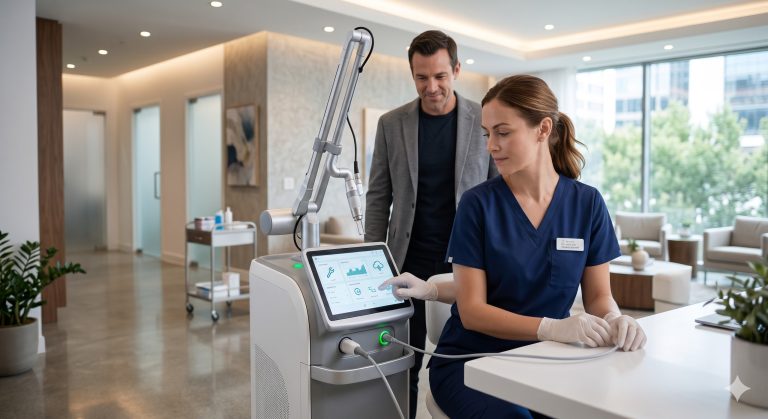
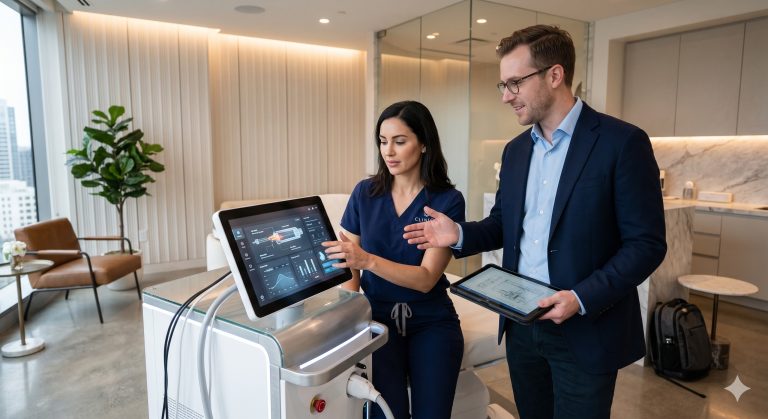
A premium supplier will offer a comprehensive support package that includes on-site installation, clinical training for your staff, and a robust warranty (typically 1-2 years on the main system and 3-6 months on the handpiece). Post-sales support is just as critical; ensure they offer remote technical troubleshooting and a clear policy for loaner equipment or expedited repairs if a system fails. You should also receive detailed operator manuals, parameter setting guidelines for different skin types and body areas, and information on obtaining necessary medical CE or FDA regulatory certifications. A supplier who provides ongoing clinical education and technical support is a true partner in your clinic’s success.
Q8: How do I integrate a Pulsed Wave laser into my existing clinic services and workflows?
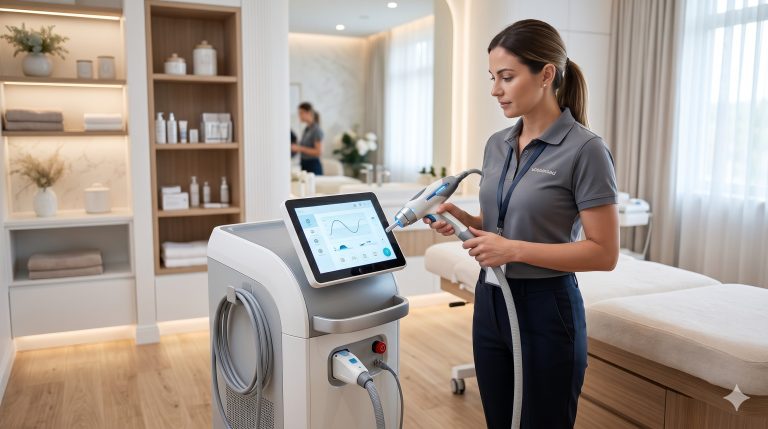
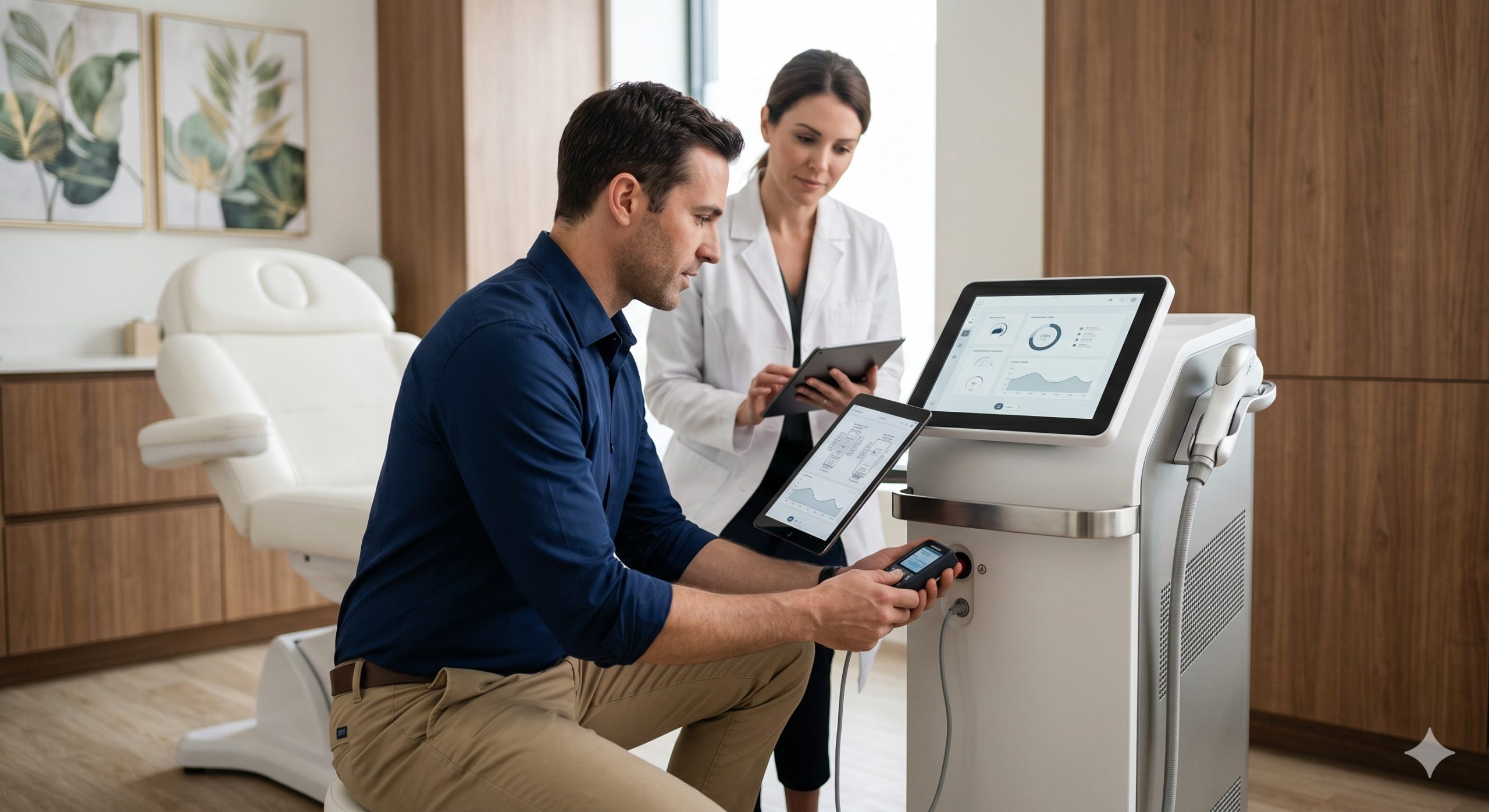
Integrating a PW laser into your clinic is a seamless process. The system’s compact design and intuitive touchscreen UI with preset protocols allow for easy operation by trained medical staff. The treatment workflow typically involves a consultation to assess skin type and set expectations, followed by a quick patient preparation (cleansing and shaving). The treatment itself is rapid due to the large spot sizes and high repetition rate, and the advanced cooling system ensures patient comfort, eliminating the need for messy gels. This makes it an ideal add-on to your existing aesthetic services—offering a high-margin, high-demand treatment that complements injectables, body contouring, and other laser procedures. It also improves patient retention, as clients require multiple sessions, creating a predictable revenue stream.