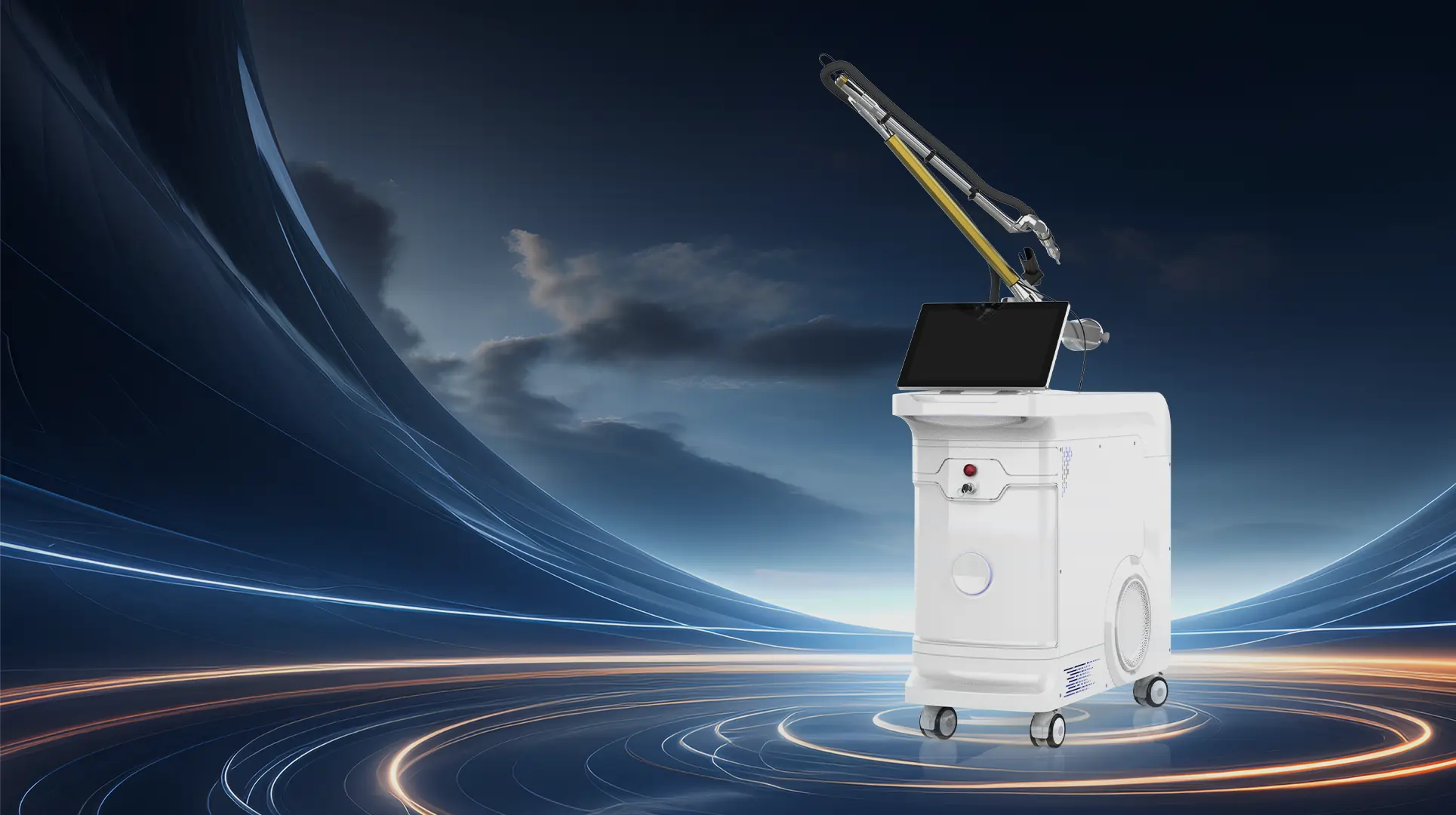
Best Picosecond Laser Machines for Clinics
For dermatology clinics, medical spas, tattoo removal practices, and B2B equipment buyers
Published by Cocoon Laser · Editorial product comparison · Updated October 2026
The best picosecond laser machine for your clinic is not necessarily the system with the most wavelengths, the shortest advertised pulse, or the highest claimed peak power. The right choice depends on clinical indications, available handpieces, laser performance, operator training, regulatory status, service support, and total ownership cost.
This guide compares six professional picosecond laser configurations for 2026, including Candela PicoWay, Cynosure PicoSure Pro, Quanta System Discovery Pico, Cutera enlighten, Cutera enlighten SR, and Cocoon Laser Ultra PicoMax.
Quick Answer: What Is the Best Picosecond Laser Machine?
There is no single best picosecond laser machine for every clinic. Candela PicoWay is a strong candidate for clinics evaluating multi-wavelength treatment flexibility. Cynosure PicoSure Pro is relevant to practices interested in a 755 nm picosecond platform. Quanta Discovery Pico is worth examining for configurable laser modes and handpieces. Cutera enlighten offers picosecond and nanosecond pulse options. Cocoon Laser Ultra PicoMax is an option for professional buyers investigating multi-wavelength equipment and OEM/ODM supply.
Buyers should compare the exact configurations available in their country rather than relying on broad product-family claims.
Top Picks: Best Picosecond Laser Machines by Buying Need
Picosecond Laser Machine Comparison Table
| Machine | Wavelengths / Platform | Key Buying Consideration | Best-Fit Buyer |
|---|---|---|---|
| Ultra PicoMax | 1064 / 755 / 650 / 585 / 532 nm listed options | Confirm delivered configuration and operating modes | B2B clinics and distributors |
| PicoWay | 532 / 730 / 785 / 1064 nm platform options | Multiple wavelengths and beam-delivery handpieces | Multi-indication clinics |
| PicoSure Pro | 755 nm; optional 532 / 1064 nm delivery | 755 nm platform and lens options | Pigment and revitalization practices |
| Discovery Pico | 1064 / 532 nm; 694 nm on certain versions | Mode and applicator selection | Specialist laser clinics |
| enlighten | 1064 / 532 / 670 nm in current listed configuration | Picosecond and nanosecond pulse options | Tattoo and pigmentation clinics |
| enlighten SR | 1064 / 532 nm | Skin revitalization positioning | Skin-focused aesthetic practices |
Note: Wavelength availability, handpieces, indications, and product configurations can differ by market and version. A listed wavelength does not automatically mean every handpiece delivers picosecond pulses at that wavelength.
Why Trust This Guide?
This guide is written for professional equipment purchasing. It distinguishes laser wavelengths from pulse durations, avoids treating marketing claims as independent evidence, and highlights documentation buyers should obtain before purchasing.
The comparison draws on publicly described product platforms and Cocoon Laser’s product information. We have not independently measured laser output, inspected every production facility, or performed controlled clinical comparisons.
How We Selected These Machines
We selected products that illustrate different purchasing decisions: a 755 nm-focused platform, a multi-wavelength platform, a configurable picosecond system, dual-duration technology, a skin-focused configuration, and an OEM-oriented B2B offering.
Selection factors include wavelength options, handpiece flexibility, intended applications, technical transparency, training requirements, and support considerations. We do not assign numerical scores because comparable independent test data is unavailable.
Detailed Reviews: Six Professional Picosecond Laser Machines
Cocoon Laser Ultra PicoMax
Best for multi-wavelength equipment and OEM/ODM inquiries

Product Overview
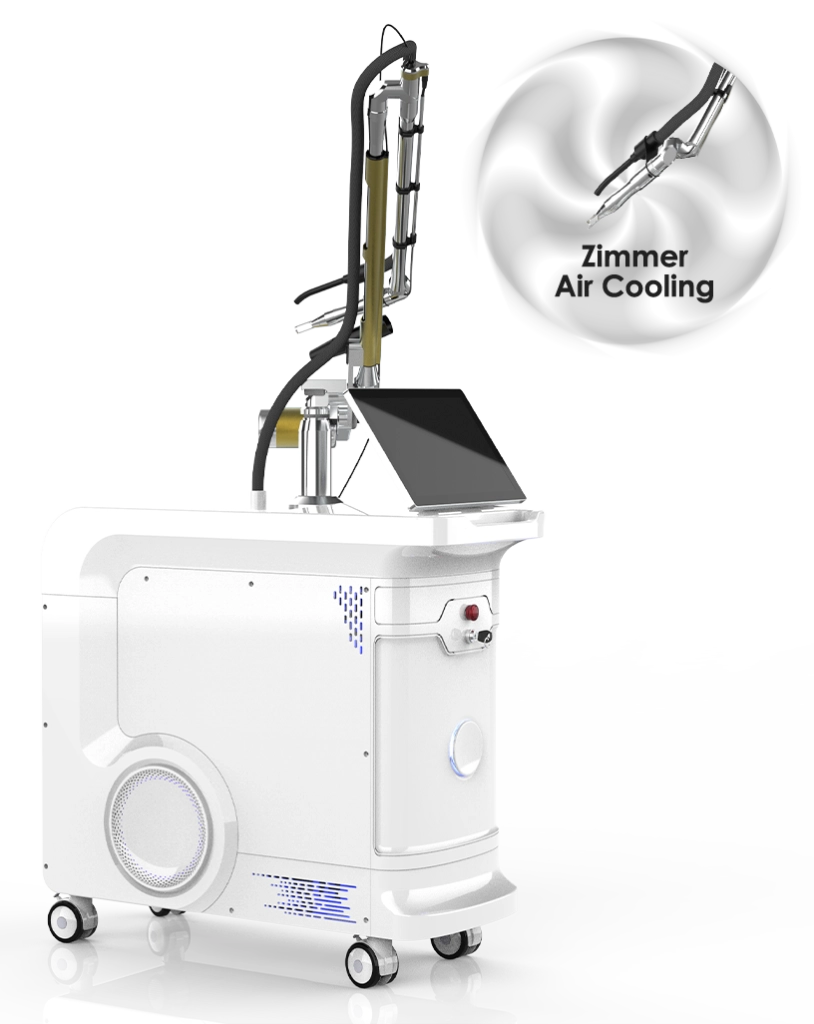
Ultra PicoMax is Cocoon Laser’s professional multi-wavelength picosecond laser platform. Product documentation lists 1064, 755, 650, 585, and 532 nm wavelength options and a 350 ps pulse-width specification.
The platform also describes multiple operating modes and a fractional Honeycomb HP option. Buyers should verify which wavelengths, pulse durations, handpieces, and modes are included in the quoted machine.
- Technology: Multi-wavelength picosecond platform
- Listed pulse width: 350 ps
- Commercial focus: Clinics, distributors, OEM/ODM
- Configuration: Confirm all included options
Why Consider It
Relevant for buyers exploring multi-wavelength equipment and direct B2B purchasing arrangements. The product’s stated feature set creates several possible configuration discussions.
What to Verify
Request independently verifiable performance documentation, applicable regulatory documents, warranty conditions, service plans, and exact pulse specifications for each treatment mode.
Candela PicoWay
Best for clinics comparing extensive wavelength and applicator options

Product Overview
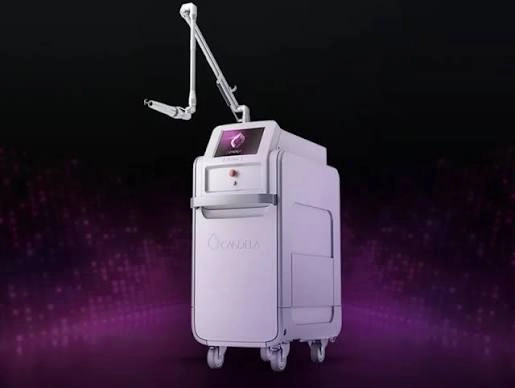
PicoWay is a professional picosecond laser platform with 532, 730, 785, and 1064 nm options. Its product family includes full-beam, micro-beam Resolve, and Resolve Fusion delivery configurations.
This flexibility is relevant to clinics offering a combination of tattoo, benign pigment, and selected skin rejuvenation procedures, subject to local indications and training.
- Technology: Multi-wavelength picosecond laser
- Wavelength options: 532 / 730 / 785 / 1064 nm
- Delivery: Full-beam and micro-beam options
- Key consideration: Handpiece package
Why Consider It
A broad choice of wavelengths and delivery approaches makes PicoWay a useful reference platform for multi-indication clinic planning.
What to Verify
Different packages may include different applicators. Confirm the actual quote, regulatory indications, service arrangements, training, and replacement costs.
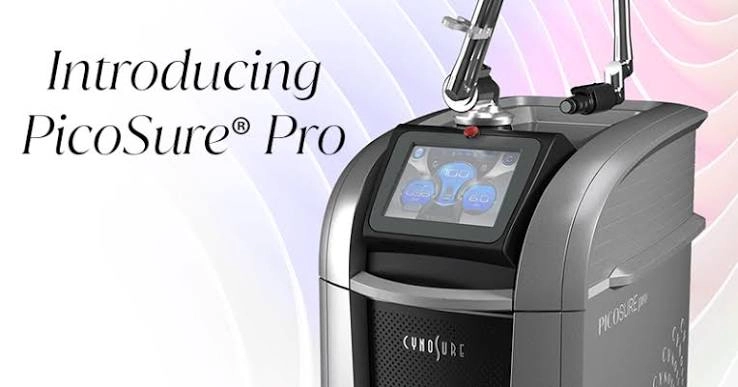
Cynosure PicoSure Pro
Best for practices evaluating a 755 nm-focused platform
Product Overview
PicoSure Pro is built around 755 nm picosecond laser technology. Cynosure also describes optional 532 and 1064 nm delivery capabilities for selected tattoo applications.
Its available lens configurations are relevant to clinics comparing pigment-focused procedures and skin revitalization workflows.
- Primary wavelength: 755 nm
- Options: 532 / 1064 nm delivery
- Technology: Picosecond alexandrite platform
- Key consideration: Lens and applicator options
Why Consider It
A focused 755 nm platform may be attractive to practices that want to evaluate its specific treatment applications and supporting clinical documentation.
What to Verify
Check indications for each wavelength and lens combination, especially across different skin types. Confirm regional device availability.
Quanta System Discovery Pico
Best for clinics evaluating pulse and handpiece configurations

Product Overview
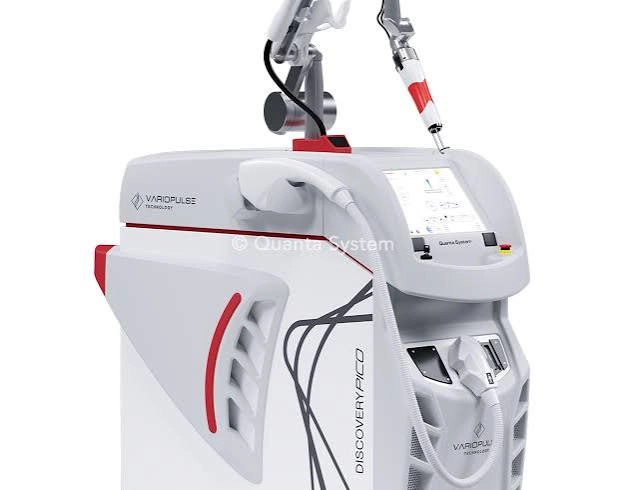
Discovery Pico is a professional laser platform featuring 1064 and 532 nm wavelengths, with 694 nm available on specified versions.
Quanta describes different pulse modes, Optibeam handpieces, and additional configuration options depending on the model.
- Core wavelengths: 1064 / 532 nm
- Additional option: 694 nm on Plus version
- Technology: Picosecond with other emission modes
- Key consideration: Exact version
Why Consider It
Its configurable approach is relevant to specialist clinics seeking different treatment handpieces and emission modes.
What to Verify
Distinguish Discovery Pico versions. Confirm which wavelengths operate in picosecond mode and which optional technologies are actually included.
Cutera enlighten
Best for comparing picosecond and nanosecond treatment options

Product Overview
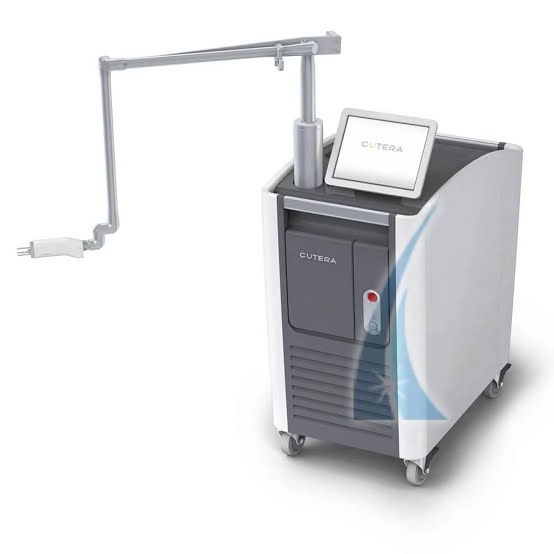
Cutera enlighten combines picosecond and nanosecond pulse options. The current listed configuration includes 532, 1064, and 670 nm wavelengths.
This makes it relevant to buyers who want to compare different pulse-duration approaches within one equipment platform.
- Wavelengths: 532 / 1064 / 670 nm
- Pulse options: Picosecond and nanosecond
- Applications: Tattoo, pigment, revitalization
- Key consideration: Mode-specific parameters
Why Consider It
The dual-duration approach can be relevant to clinics evaluating tattoo and pigment treatment workflows.
What to Verify
Confirm pulse duration by wavelength, available applicators, clinical indications, training, and service costs.
Cutera enlighten SR
Best for clinics investigating skin-focused picosecond treatments
Product Overview
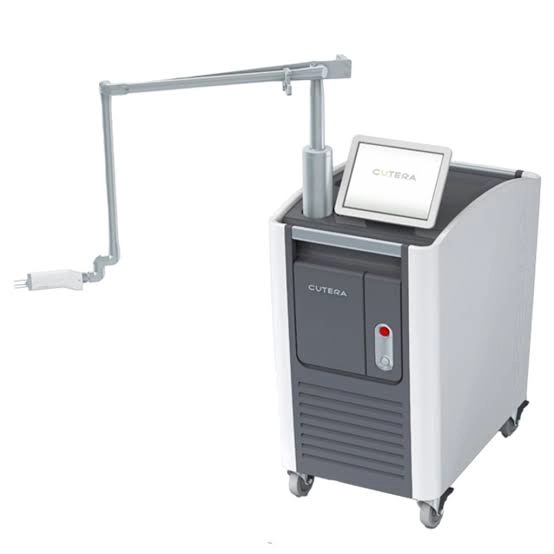
enlighten SR is positioned by Cutera for skin revitalization. The published configuration includes 532 and 1064 nm wavelengths and picosecond pulses.
It is a useful comparison for practices whose main purchasing priority is pigment-related skin quality and selected rejuvenation applications.
- Wavelengths: 532 / 1064 nm
- Listed pulse width: 750 ps
- Positioning: Skin revitalization
- Key consideration: Indications and accessories
Why Consider It
A skin-focused configuration may suit clinics with a defined treatment menu rather than a need for every available tattoo-removal wavelength.
What to Verify
Check availability, approved indications, included lens options, and whether the configuration meets the clinic’s broader treatment requirements.
How to Choose the Best Picosecond Laser Machine for Your Clinic
1. Start With Your Actual Treatment Menu
Define the treatments your clinic intends to offer before comparing equipment. Tattoo removal, benign pigmented lesions, and skin revitalization may require different wavelengths, delivery methods, training, and regulatory indications.
A tattoo-focused practice may prioritize access to wavelengths relevant to different ink colors. A dermatology practice may place greater importance on the evidence supporting specific pigment conditions and fractional treatment options.
2. Understand Wavelength Selection
Wavelength determines how laser energy interacts with different chromophores and influences penetration and absorption. It should not be evaluated separately from fluence, spot size, pulse duration, and skin type.
| Wavelength | Common Purchasing Relevance | Important Limitation |
|---|---|---|
| 532 nm | Selected superficial pigment and certain tattoo colors | Greater epidermal melanin interaction; skin type matters |
| 755 nm | Alexandrite-based pigment and tattoo applications | Check indications and suitability across skin types |
| 1064 nm | Deeper-penetrating pigment and dark tattoo ink applications | Correct settings and diagnosis remain essential |
| Other wavelengths | Potentially broaden selected ink-color options | Confirm actual output, pulse mode, and supporting evidence |
3. Check Pulse Duration, Not Just the Word “Pico”
One picosecond is one trillionth of a second. Professional systems may offer different pulse durations depending on wavelength and operating mode. Some platforms combine picosecond and nanosecond emissions.
Ask the supplier for measured pulse width at each relevant wavelength and operating mode. A general claim of “picosecond technology” does not describe every pulse the machine delivers.
4. Evaluate Beam Quality and Delivered Energy
Request information about fluence range, beam profile, spot sizes, pulse stability, and the conditions under which energy specifications were measured.
Electrical power consumption and laser peak power are not interchangeable. Higher advertised numbers do not establish better treatment results.
5. Compare Handpieces and Fractional Options
Full-beam tattoo removal handpieces and fractional or micro-beam accessories serve different treatment purposes. Check whether the quoted package includes the required accessories and whether each is authorized for the intended use.
6. Assess Operator Training and Laser Safety
Professional picosecond laser equipment requires trained personnel, appropriate patient assessment, wavelength-specific protective eyewear, controlled treatment areas, and safe operating procedures.
Potential complications include burns, pigmentary changes, scarring, and eye injury. Devices should be used only for appropriate indications by qualified professionals.
7. Verify Regulatory Status
Confirm the exact model, accessories, intended use, and legal requirements in the destination market. Regulatory authorization for one configuration does not necessarily cover another.
8. Calculate Total Ownership Cost
Include the purchase price, shipping, taxes, installation, training, service, replacement components, downtime, and any recurring costs.
Picosecond Laser Machine Price: What Should Clinics Expect?
Professional picosecond laser pricing varies widely by brand, configuration, condition, included handpieces, local distribution, and service package. A quote for a basic configuration should not be compared directly with a fully equipped multi-wavelength system.
For preliminary budgeting, buyers may encounter quotations ranging from tens of thousands of US dollars to well over $100,000 for some branded professional systems. These are broad planning ranges, not verified 2026 prices for the six devices in this guide.
Ask each supplier for a written, itemized quotation showing the exact machine, included accessories, warranty, installation, training, delivery terms, and ongoing costs.
Picosecond vs. Q-Switched Nanosecond Laser
Picosecond and Q-switched nanosecond lasers are different pulse-duration categories. Both can have legitimate professional uses for tattoo and pigmentation procedures.
Picosecond systems deliver shorter pulses, which can produce stronger photoacoustic interactions under suitable conditions. This does not mean every picosecond device outperforms every nanosecond device for every indication or patient.
Cocoon Laser’s QPeak Pro is a Q-switched Nd:YAG laser platform, not a picosecond laser. It may be relevant as an alternative purchasing category, but it should not be presented as one of the best picosecond laser machines.
Who Is This Guide For?
Dermatology clinics: Compare evidence, indications, treatment flexibility, and specialist support.
Medical spas: Evaluate permitted treatments, operator qualifications, training, patient demand, and equipment economics.
Tattoo removal practices: Prioritize appropriate wavelengths, handpieces, treatment capabilities, and service continuity.
Importers and distributors: Investigate OEM/ODM terms, manufacturing responsibilities, documentation, spare parts, and after-sales processes.
Why We Did Not Recommend Other Devices
This is a focused shortlist, not an exhaustive catalog of every picosecond system sold worldwide. Exclusion does not imply poor performance.
We excluded IPL systems, conventional Q-switched-only nanosecond platforms, and devices without sufficiently clear picosecond product identification from the primary comparison.
We also did not rank products by unverified prices, promotional peak power claims, or manufacturer-provided before-and-after photos alone.
Common Mistakes When Buying a Picosecond Laser Machine
- Assuming all advertised wavelengths operate in picosecond mode
- Confusing Q-switched nanosecond lasers with true picosecond systems
- Choosing equipment solely by peak power or pulse-width claims
- Comparing quotations without matching handpieces and accessories
- Ignoring destination-market regulatory requirements
- Underestimating training and eye-safety requirements
- Failing to calculate maintenance and repair costs
- Assuming the same system suits every skin type and indication
Frequently Asked Questions
What is the best professional picosecond laser machine?
The best system depends on your treatment menu, regulatory requirements, available configurations, service support, and budget. PicoWay, PicoSure Pro, Discovery Pico, enlighten, and Ultra PicoMax illustrate different purchasing approaches.
Is a 755 nm picosecond laser better than a 1064 nm laser?
Neither wavelength is universally better. Their absorption characteristics and clinical applications differ. Device configuration and patient selection matter.
How much does a picosecond laser machine cost?
Prices vary substantially by product, region, condition, accessories, and service. Request an itemized quotation rather than relying on a generic online price.
Can picosecond lasers remove tattoos?
Certain professional picosecond laser systems are used for tattoo removal. Appropriate wavelength, ink composition, skin type, treatment parameters, and clinical judgment affect suitability.
Can picosecond lasers treat melasma?
Some systems have specific indications involving melasma, but treatment requires careful diagnosis and specialist judgment. Laser treatment can worsen pigmentation in some circumstances.
Is picosecond technology always safer than nanosecond technology?
No. Safety depends on the device, treatment parameters, indication, patient factors, and operator expertise.
Can distributors purchase OEM picosecond laser equipment?
Some B2B suppliers offer OEM/ODM discussions. Buyers should confirm the customization scope, quality documentation, warranty, and regulatory responsibilities.
What should I request before buying a picosecond laser?
Request model-specific specifications, pulse-width data, available handpieces, applicable regulatory documentation, training details, warranty terms, service procedures, and a complete quotation.
Final Verdict: Which Picosecond Laser Should You Choose?
For multi-wavelength and applicator flexibility, evaluate Candela PicoWay. For a 755 nm-focused platform, examine Cynosure PicoSure Pro. For configurable pulse modes, consider Quanta Discovery Pico. For dual-duration technology, compare Cutera enlighten. For skin-focused applications, investigate enlighten SR.
For professional B2B and OEM/ODM inquiries, Cocoon Laser Ultra PicoMax is another option to evaluate, subject to verification of its technical configuration, documentation, and service terms.
The final decision should be based on the actual equipment package and independently reviewed purchasing requirements—not a generic “best” label.
Explore Ultra PicoMax for Your Clinic or Distribution Business
Request a detailed configuration, wavelength and pulse specification sheet, available accessories, documentation, and commercial terms.
Research note: Product information should be verified against current manufacturer documentation. Inclusion is not a clinical endorsement or independent performance ranking. Treatment decisions require qualified professional assessment.