B2B Buyer’s Guide: Warranty, Training, and Shipping FAQ for Aesthetic Laser Systems
Overview
Investing in a medical aesthetic laser system is a strategic decision for any clinic or med spa. To help you navigate the procurement and operational process, we have compiled the most common B2B questions regarding warranty coverage, clinical training, technical maintenance, and financial ROI. This guide is designed for clinic owners, dermatologists, and purchasing managers seeking reliable, high-performance equipment with comprehensive post-sales support.
Frequently Asked Questions
Q1: What is the typical warranty period for a medical aesthetic laser, and what does it cover?
Most premium B2B aesthetic laser systems include a standard 2-year comprehensive warranty covering parts, labor, and the handpiece. This warranty usually covers manufacturing defects, premature component failure (such as laser bars or power supplies), and normal wear of internal electronic systems. It does not typically cover consumables like disposable tips, external damage from improper handling, or damage caused by non-certified technicians. Extended warranty plans (up to 5 years) are often available for an additional fee and are highly recommended for high-throughput clinics to minimize unexpected repair costs.
Q2: How do I calculate the ROI (Return on Investment) for a medical aesthetic laser device?
To calculate ROI, use the formula: (Net Revenue per Treatment – Variable Cost per Treatment) × Average Weekly Treatments × 52 weeks = Annual Gross Profit; then divide the total device investment by the monthly net profit to determine payback period. A typical high-quality diode or IPL system priced between $15,000-$30,000 can achieve full ROI within 6 to 12 months when performing 15-20 treatments per week at a $150-$250 average ticket price. Key variables affecting ROI include your local market pricing, consumable costs (if any), and operator efficiency.
Q3: What clinical training and certification do you provide after purchasing the device?
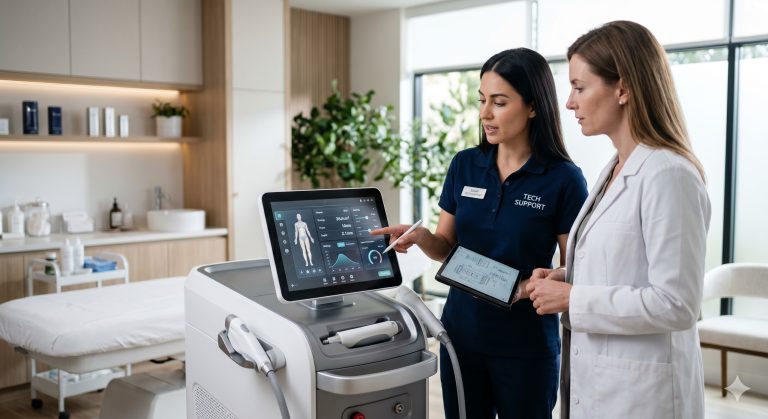
We provide a comprehensive 2-day on-site clinical training program for up to 4 operators, followed by online certification modules and 30 days of remote technical support. The training covers skin typing (Fitzpatrick I-VI), parameter selection (fluence, pulse duration, spot size), safety protocols, and hands-on patient treatment simulations. Upon completion, each operator receives a verifiable certificate of competence, which is often required for medical liability insurance coverage.
Q4: Is the laser system safe and effective for all Fitzpatrick skin types (I-VI)?
Yes, advanced systems with dual-wavelength technology (e.g., 755nm + 1064nm) or long-pulse Nd:YAG are safe and effective for Fitzpatrick skin types I through VI. This is achieved through longer pulse durations (up to 300ms) and integrated contact cooling systems (down to -4°C) that protect the epidermis while targeting deeper chromophores. For darker skin types (V-VI), we always recommend performing a test spot at lower fluences (e.g., 8-10 J/cm²) and utilizing the 1064nm wavelength to minimize the risk of post-inflammatory hyperpigmentation.
Q5: What are the shipping logistics, import duties, and delivery timelines for international buyers?
International orders are shipped via air freight (5-7 business days) or sea freight (25-35 days) from our ISO 13485-certified warehouse, with delivery to your clinic door. We provide a full landed-cost quotation including CIF (Cost, Insurance, Freight) and estimated DDP (Delivered Duty Paid) options for over 50 countries. Typical import duties range from 0% to 8% depending on the HS code (9018.90) and your trade agreement status. A dedicated logistics coordinator will handle all export paperwork, commercial invoices, and customs clearance documentation for a hassle-free delivery.
Q6: How long do handpieces and consumables last, and what is the replacement cost?
The OEM-grade handpiece for our diode laser systems has an average shot lifespan of 500,000 to 1,000,000 pulses before requiring replacement, which typically occurs every 18-24 months in a busy clinic. Replacement handpieces cost between $800 and $1,800 depending on the wavelength (e.g., 808nm diode vs. 1064nm Nd:YAG). There are no mandatory per-patient consumables (such as gels, tips, or cartridges) unless you choose optional disposable hygiene barriers, keeping your per-treatment variable cost near zero.
Q7: What technical support options are available after the warranty expires?
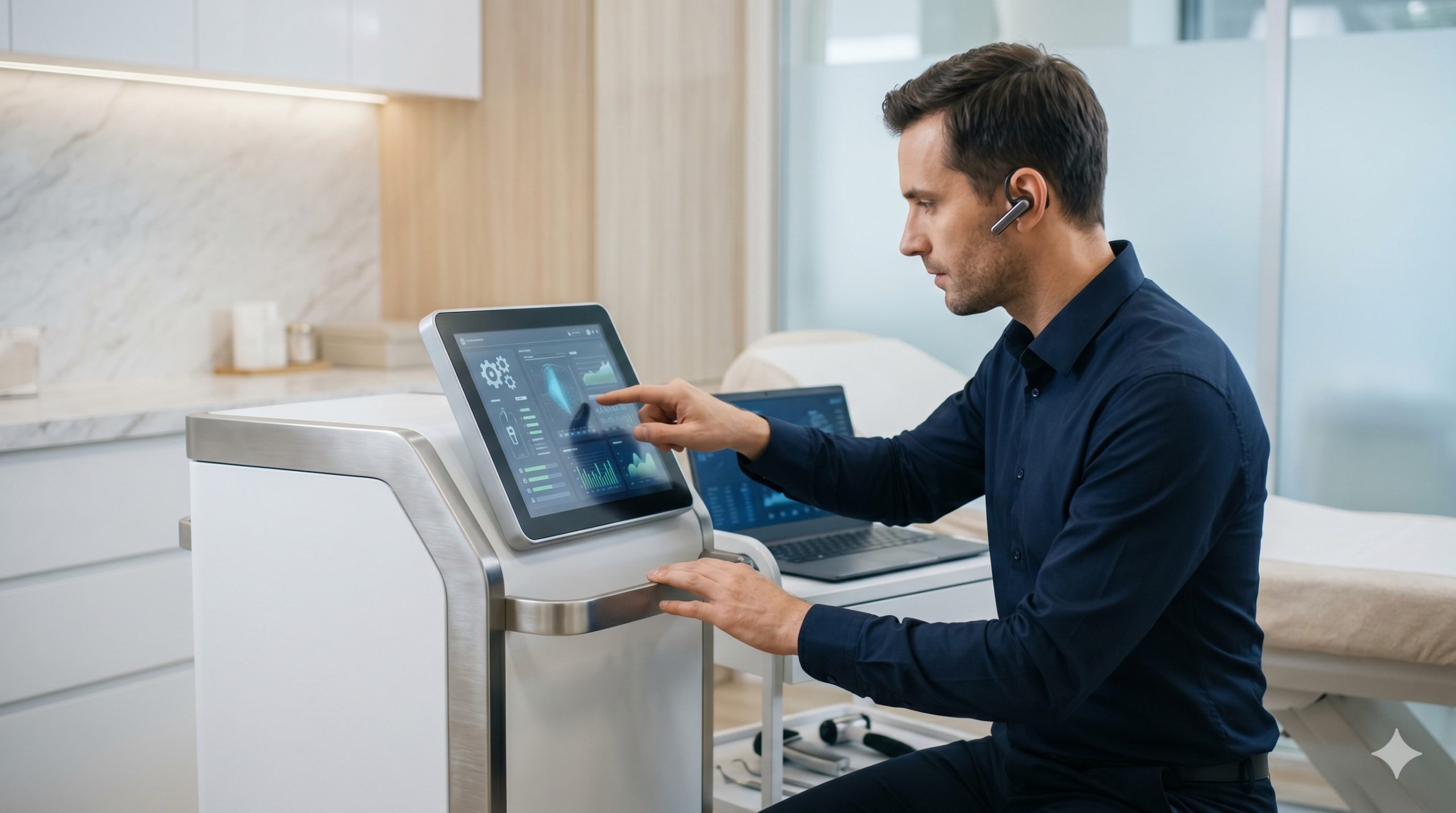
After warranty expiration, we offer tiered technical support plans including pay-per-incident remote support ($150/diagnosis), annual preventive maintenance contracts ($1,200-$2,500/year covering 2 site visits and priority phone support), and extended warranty renewal options. All support includes access to our global parts depot (shipping within 48 hours), remote troubleshooting via TeamViewer or WhatsApp video, and step-by-step video repair guides for certified in-house biomedical engineers.
Q8: How often does the device require maintenance, and what is the typical upkeep routine?
The device requires routine maintenance every 500 operating hours or every 6 months, whichever comes first, involving cleaning of the air filters, checking the distilled water level in the closed-loop cooling system, and calibrating the energy output using a power meter. The daily upkeep routine (5 minutes) includes wiping the handpiece window with isopropyl alcohol, inspecting the cooling sapphire tip for cracks, and running a self-diagnostic test. Following these protocols extends the life of the laser bars and cooling system beyond 10 years.