
Picosecond Laser Melasma Treatment Protocol – Official Clinical Overview & Technical Datasheet
PICOSECOND LASER MELASMA TREATMENT PROTOCOL: OFFICIAL CLINICAL OVERVIEW & TECHNICAL DATASHEET
EXECUTIVE SUMMARY
This document provides a comprehensive technical and clinical overview of the Picosecond Laser Melasma Treatment Protocol, as architected by a premier OEM manufacturer of medical aesthetic devices. The protocol leverages advanced picosecond-domain pulse generation to achieve superior fragmentation of targeted chromophores, specifically addressing the complex pathophysiology of melasma. This system represents a paradigm shift from traditional nanosecond lasers, utilizing optimized photomechanical effects to minimize thermal collateral damage and enhance clearance rates for dermal and epidermal pigment. Designed for integration into high-volume dermatology clinics and premium med spas, the platform delivers reproducible, clinically significant outcomes with a robust safety profile across diverse skin phototypes. This datasheet serves as a definitive reference for clinical architects, procurement specialists, and practicing physicians seeking to deploy state-of-the-art melasma treatment capabilities within their practice.
 CLINICAL ARCHITECTURE & DESIGN
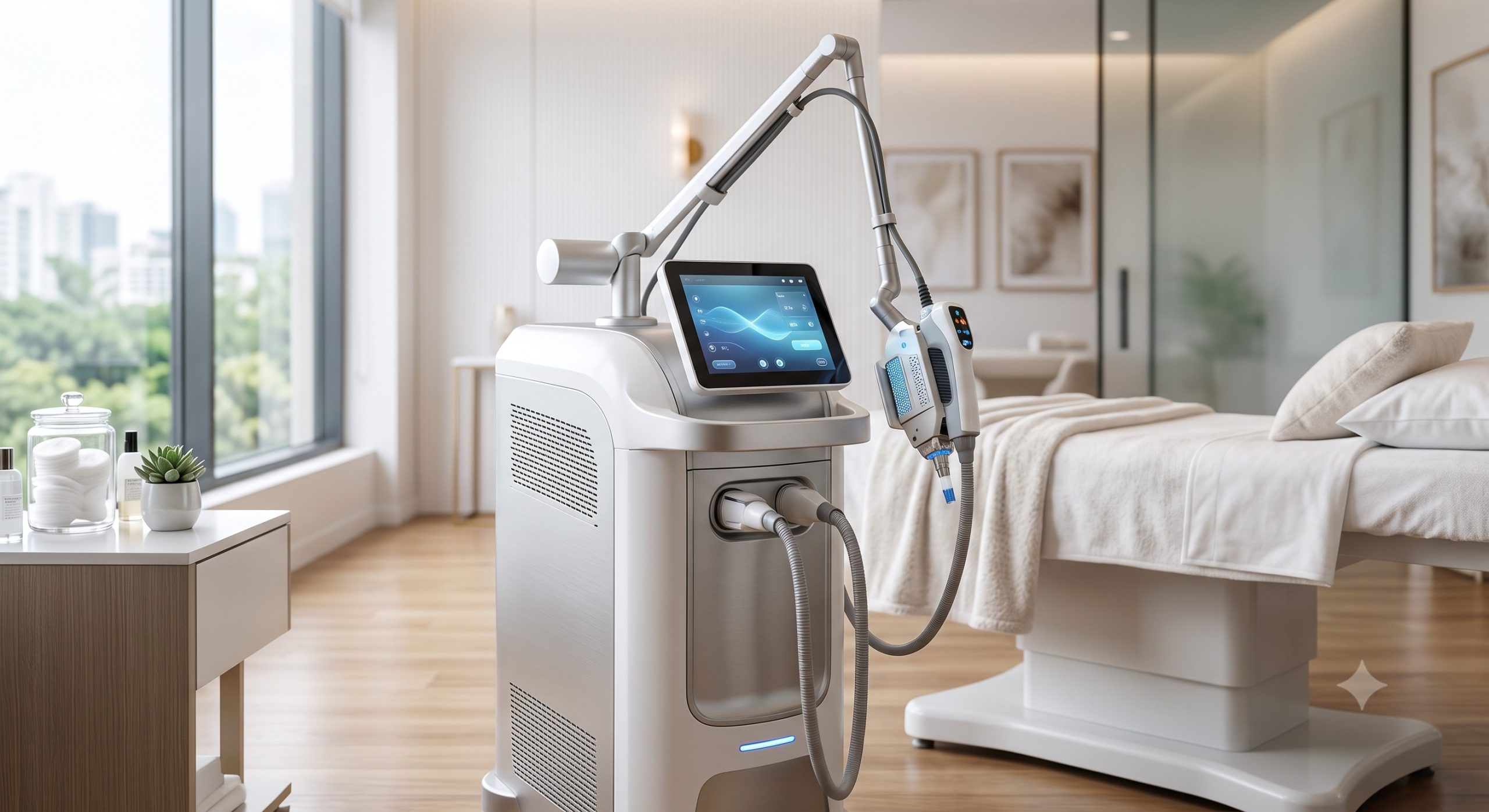
The Picosecond Laser Melasma Treatment Protocol is engineered upon a foundation of precision photomechanics, operating with pulse durations in the sub-nanosecond (picosecond) regime. This architecture is central to its therapeutic efficacy, as the ultra-short pulse width generates a powerful photoacoustic shockwave that shatters targeted melanin aggregates into microscopic particles, facilitating rapid lymphatic clearance with significantly reduced thermal diffusion to surrounding tissues. The system integrates a state-of-the-art optical delivery system featuring a multi-wavelength configuration, typically incorporating 755nm, 1064nm, and optionally a 532nm wavelength. This trifecta allows clinicians to precisely target melanin at varying skin depths, from epidermal to deep dermal layers, which is critical for the heterogeneous nature of melasma. The platform includes a proprietary advanced sapphire contact cooling engine operating on a thermoelectric (TEC) and fluidic circulation principle, providing continuous epidermal protection during energy delivery. This design ensures the dermal target reaches therapeutic temperatures while the epidermis remains at a safe, sub-thermal baseline, a critical parameter for patient safety and comfort.
KEY INDICATIONS & CAPABILITIES
The primary indication for this protocol is the treatment of melasma (chloasma), a chronic, acquired hypermelanosis of the skin characterized by symmetrical, hyperpigmented macules on sun-exposed areas. Beyond melasma, the system demonstrates high clinical utility for the removal of benign pigmented lesions, including solar lentigines, ephelides (freckles), and café-au-lait macules. The picosecond technology is particularly effective in managing recalcitrant melasma that has proven resistant to traditional Q-switched nanosecond lasers and topical therapies. Key operational capabilities include high-speed, high-fluence output with adjustable spot sizes to match lesion morphology and depth, and advanced user interfaces with pre-programmed treatment parameters tailored for specific skin types and lesion presentations. The system supports a rapid treatment cadence, enabling efficient clinic workflows and reduced per-treatment session times. This translates to enhanced patient throughput and optimized return on investment for the clinical asset.
COMPLIANCE & STANDARDS
The Picosecond Laser Melasma Treatment Protocol and its associated hardware are manufactured in strict adherence to the highest international standards for medical device safety and performance. The system is designed for compliance with ISO 13485 (Quality Management Systems for Medical Devices) and has undergone rigorous evaluation to meet the essential requirements of the European Medical Device Regulation (MDR) and the U.S. Food and Drug Administration (FDA) premarket notification (510(k)) clearance processes, where applicable. The laser system complies with IEC 60825-1 (Safety of Laser Products) and includes multiple integrated safety interlocks, including a footswitch control, emergency stop, and a real-time skin temperature monitoring system that automatically interrupts energy delivery upon detection of unsafe thermal thresholds. Full electromagnetic compatibility (EMC) is assured under IEC 60601-1-2, guaranteeing reliable operation within the complex electronic environment of a modern clinic.
TECHNICAL SPECIFICATIONS
The core operational parameters of the system are detailed below, ensuring clinicians have exacting control over treatment variables to achieve optimal clinical outcomes. All specifications are verified under standardized test conditions.
CLINICAL ARCHITECTURE & DESIGN
The Picosecond Laser Melasma Treatment Protocol is engineered upon a foundation of precision photomechanics, operating with pulse durations in the sub-nanosecond (picosecond) regime. This architecture is central to its therapeutic efficacy, as the ultra-short pulse width generates a powerful photoacoustic shockwave that shatters targeted melanin aggregates into microscopic particles, facilitating rapid lymphatic clearance with significantly reduced thermal diffusion to surrounding tissues. The system integrates a state-of-the-art optical delivery system featuring a multi-wavelength configuration, typically incorporating 755nm, 1064nm, and optionally a 532nm wavelength. This trifecta allows clinicians to precisely target melanin at varying skin depths, from epidermal to deep dermal layers, which is critical for the heterogeneous nature of melasma. The platform includes a proprietary advanced sapphire contact cooling engine operating on a thermoelectric (TEC) and fluidic circulation principle, providing continuous epidermal protection during energy delivery. This design ensures the dermal target reaches therapeutic temperatures while the epidermis remains at a safe, sub-thermal baseline, a critical parameter for patient safety and comfort.
KEY INDICATIONS & CAPABILITIES
The primary indication for this protocol is the treatment of melasma (chloasma), a chronic, acquired hypermelanosis of the skin characterized by symmetrical, hyperpigmented macules on sun-exposed areas. Beyond melasma, the system demonstrates high clinical utility for the removal of benign pigmented lesions, including solar lentigines, ephelides (freckles), and café-au-lait macules. The picosecond technology is particularly effective in managing recalcitrant melasma that has proven resistant to traditional Q-switched nanosecond lasers and topical therapies. Key operational capabilities include high-speed, high-fluence output with adjustable spot sizes to match lesion morphology and depth, and advanced user interfaces with pre-programmed treatment parameters tailored for specific skin types and lesion presentations. The system supports a rapid treatment cadence, enabling efficient clinic workflows and reduced per-treatment session times. This translates to enhanced patient throughput and optimized return on investment for the clinical asset.
COMPLIANCE & STANDARDS
The Picosecond Laser Melasma Treatment Protocol and its associated hardware are manufactured in strict adherence to the highest international standards for medical device safety and performance. The system is designed for compliance with ISO 13485 (Quality Management Systems for Medical Devices) and has undergone rigorous evaluation to meet the essential requirements of the European Medical Device Regulation (MDR) and the U.S. Food and Drug Administration (FDA) premarket notification (510(k)) clearance processes, where applicable. The laser system complies with IEC 60825-1 (Safety of Laser Products) and includes multiple integrated safety interlocks, including a footswitch control, emergency stop, and a real-time skin temperature monitoring system that automatically interrupts energy delivery upon detection of unsafe thermal thresholds. Full electromagnetic compatibility (EMC) is assured under IEC 60601-1-2, guaranteeing reliable operation within the complex electronic environment of a modern clinic.
TECHNICAL SPECIFICATIONS
The core operational parameters of the system are detailed below, ensuring clinicians have exacting control over treatment variables to achieve optimal clinical outcomes. All specifications are verified under standardized test conditions.
CLINICAL PROTOCOLS
Effective deployment of the picosecond laser for melasma treatment requires adherence to a structured clinical protocol. The following outlines the foundational parameters for clinical consideration.
PRE-TREATMENT: A thorough patient consultation is mandatory, including a detailed medical history, skin phototype assessment (Fitzpatrick Skin Type I-VI), and a test spot procedure to evaluate individual response and identify optimal fluence settings. A topical anesthetic may be applied 30-45 minutes prior to the procedure to enhance patient comfort.
TREATMENT PARAMETERS (BASELINE): For the 1064nm wavelength, a typical starting fluence range is 0.5 to 1.5 J/cm², with a spot size of 3-6 mm, and a pulse rate of 5-10 Hz. For the 755nm wavelength, a lower fluence of 0.3 to 0.8 J/cm² is recommended, especially for darker skin types. The protocol utilizes a systematic overlapping scanning technique, ensuring complete and uniform coverage of the target area without significant overlap to minimize tissue stress. Fluence is titrated upward in 0.1 J/cm² increments based on visual endpoint (mild erythema and tissue whitening) and patient tolerance.
POST-TREATMENT: Immediate application of a soothing hydrogel mask and a high-SPF broad-spectrum sunscreen is critical. Patients are provided with comprehensive post-treatment care instructions, including strict sun avoidance, use of a gentle skincare regimen, and a follow-up schedule to monitor progress and determine subsequent treatment sessions, typically spaced 4-6 weeks apart to allow for complete pigment clearance and tissue remodeling. This protocol ensures consistent, predictable, and safe clinical outcomes.
CLINICAL ARCHITECTURE & DESIGN
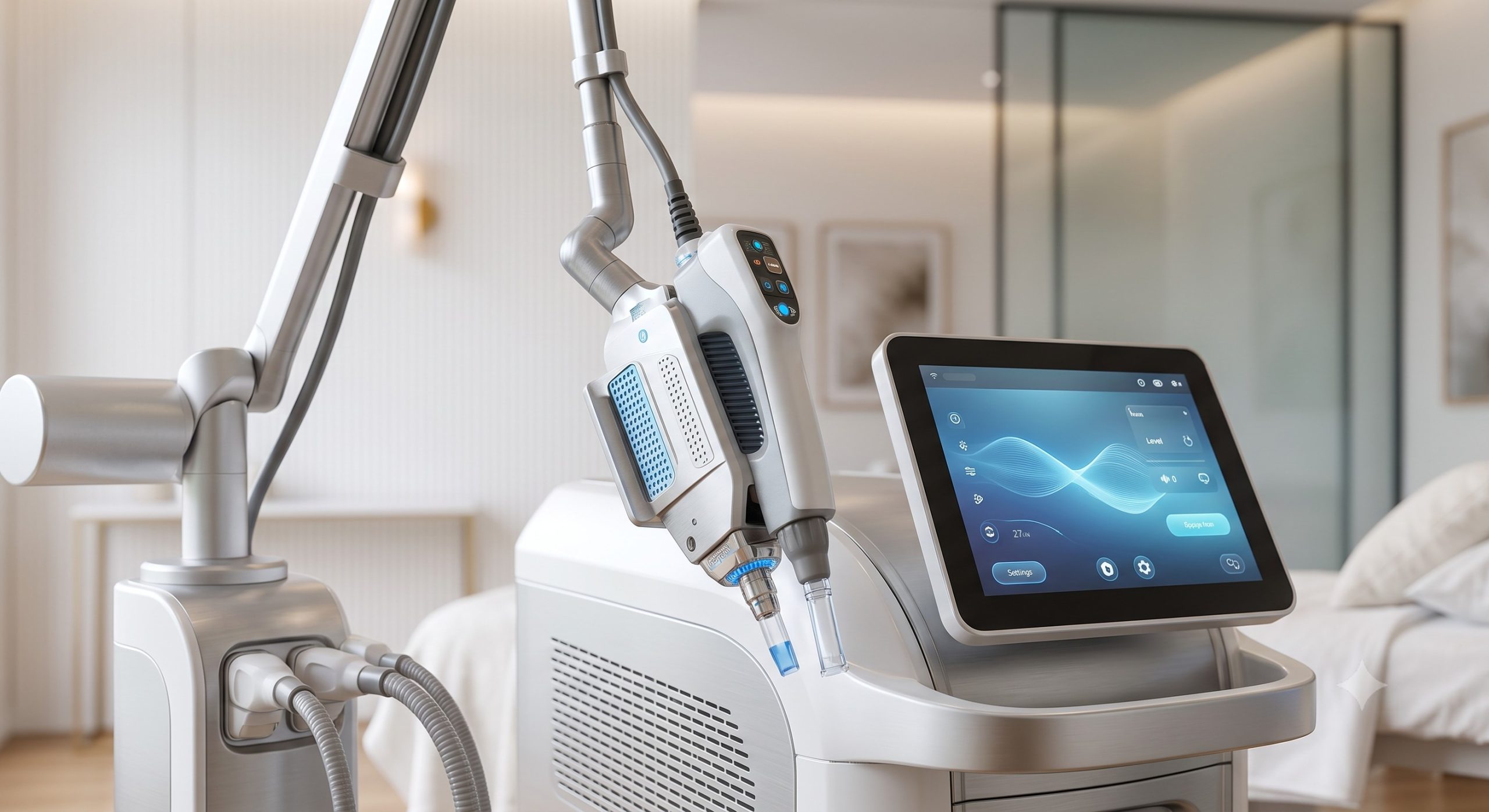
The Picosecond Laser Melasma Treatment Protocol is engineered upon a foundation of precision photomechanics, operating with pulse durations in the sub-nanosecond (picosecond) regime. This architecture is central to its therapeutic efficacy, as the ultra-short pulse width generates a powerful photoacoustic shockwave that shatters targeted melanin aggregates into microscopic particles, facilitating rapid lymphatic clearance with significantly reduced thermal diffusion to surrounding tissues. The system integrates a state-of-the-art optical delivery system featuring a multi-wavelength configuration, typically incorporating 755nm, 1064nm, and optionally a 532nm wavelength. This trifecta allows clinicians to precisely target melanin at varying skin depths, from epidermal to deep dermal layers, which is critical for the heterogeneous nature of melasma. The platform includes a proprietary advanced sapphire contact cooling engine operating on a thermoelectric (TEC) and fluidic circulation principle, providing continuous epidermal protection during energy delivery. This design ensures the dermal target reaches therapeutic temperatures while the epidermis remains at a safe, sub-thermal baseline, a critical parameter for patient safety and comfort.
KEY INDICATIONS & CAPABILITIES
The primary indication for this protocol is the treatment of melasma (chloasma), a chronic, acquired hypermelanosis of the skin characterized by symmetrical, hyperpigmented macules on sun-exposed areas. Beyond melasma, the system demonstrates high clinical utility for the removal of benign pigmented lesions, including solar lentigines, ephelides (freckles), and café-au-lait macules. The picosecond technology is particularly effective in managing recalcitrant melasma that has proven resistant to traditional Q-switched nanosecond lasers and topical therapies. Key operational capabilities include high-speed, high-fluence output with adjustable spot sizes to match lesion morphology and depth, and advanced user interfaces with pre-programmed treatment parameters tailored for specific skin types and lesion presentations. The system supports a rapid treatment cadence, enabling efficient clinic workflows and reduced per-treatment session times. This translates to enhanced patient throughput and optimized return on investment for the clinical asset.
COMPLIANCE & STANDARDS
The Picosecond Laser Melasma Treatment Protocol and its associated hardware are manufactured in strict adherence to the highest international standards for medical device safety and performance. The system is designed for compliance with ISO 13485 (Quality Management Systems for Medical Devices) and has undergone rigorous evaluation to meet the essential requirements of the European Medical Device Regulation (MDR) and the U.S. Food and Drug Administration (FDA) premarket notification (510(k)) clearance processes, where applicable. The laser system complies with IEC 60825-1 (Safety of Laser Products) and includes multiple integrated safety interlocks, including a footswitch control, emergency stop, and a real-time skin temperature monitoring system that automatically interrupts energy delivery upon detection of unsafe thermal thresholds. Full electromagnetic compatibility (EMC) is assured under IEC 60601-1-2, guaranteeing reliable operation within the complex electronic environment of a modern clinic.
TECHNICAL SPECIFICATIONS
The core operational parameters of the system are detailed below, ensuring clinicians have exacting control over treatment variables to achieve optimal clinical outcomes. All specifications are verified under standardized test conditions.
| Parameter | Specification |
|---|---|
| Laser Type | Solid-State, Q-Switched / Mode-Locked Nd:YAG / Alexandrite |
| Wavelengths | 1064nm / 755nm / 532nm (selectable) |
| Pulse Duration | 450 – 750 picoseconds (typical) |
| Maximum Fluence (1064nm) | Up to 2.0 J/cm² (adjustable) |
| Spot Size Range | 2 – 8 mm (continuous or discrete adjustment) |
| Repetition Rate | 1 – 10 Hz (adjustable) |
| Cooling System | Integrated TEC + Sapphire Contact Cooling (0°C to 5°C) |
| Display Interface | High-Resolution Color Touchscreen with Graphical User Interface |
| Power Supply | 100-240 VAC, 50/60 Hz, 15A |
| Dimensions (Chassis) | Approx. 45cm (W) x 55cm (D) x 110cm (H) |
| Weight | Approx. 45 kg (system unit) |
📥 Download Technical Specification
Click the button below to view or download the full official PDF datasheet.
⬇️ Download Official PDF