
Fractional CO2 Laser Skin Resurfacing Clinical Research Paper Download – Official Clinical Overview & Technical Datasheet
EXECUTIVE SUMMARY
The fractional CO2 laser skin resurfacing system represents a paradigm shift in dermatological and aesthetic medicine, delivering unparalleled clinical outcomes for photoaging, scarring, and textural irregularities. This comprehensive clinical datasheet and research paper download provides a detailed technical and clinical architecture of the fractional CO2 platform, intended for dermatologists, plastic surgeons, and medical spa professionals. By inducing controlled zones of microthermal injury (MTZ) while preserving intervening healthy tissue, the device stimulates a robust neocollagenesis and elastogenesis cascade. This document serves as the definitive reference for clinical protocol development, technical specification verification, and regulatory compliance. The system is engineered for maximal efficacy and patient safety, positioning it as the gold standard in ablative fractional resurfacing.
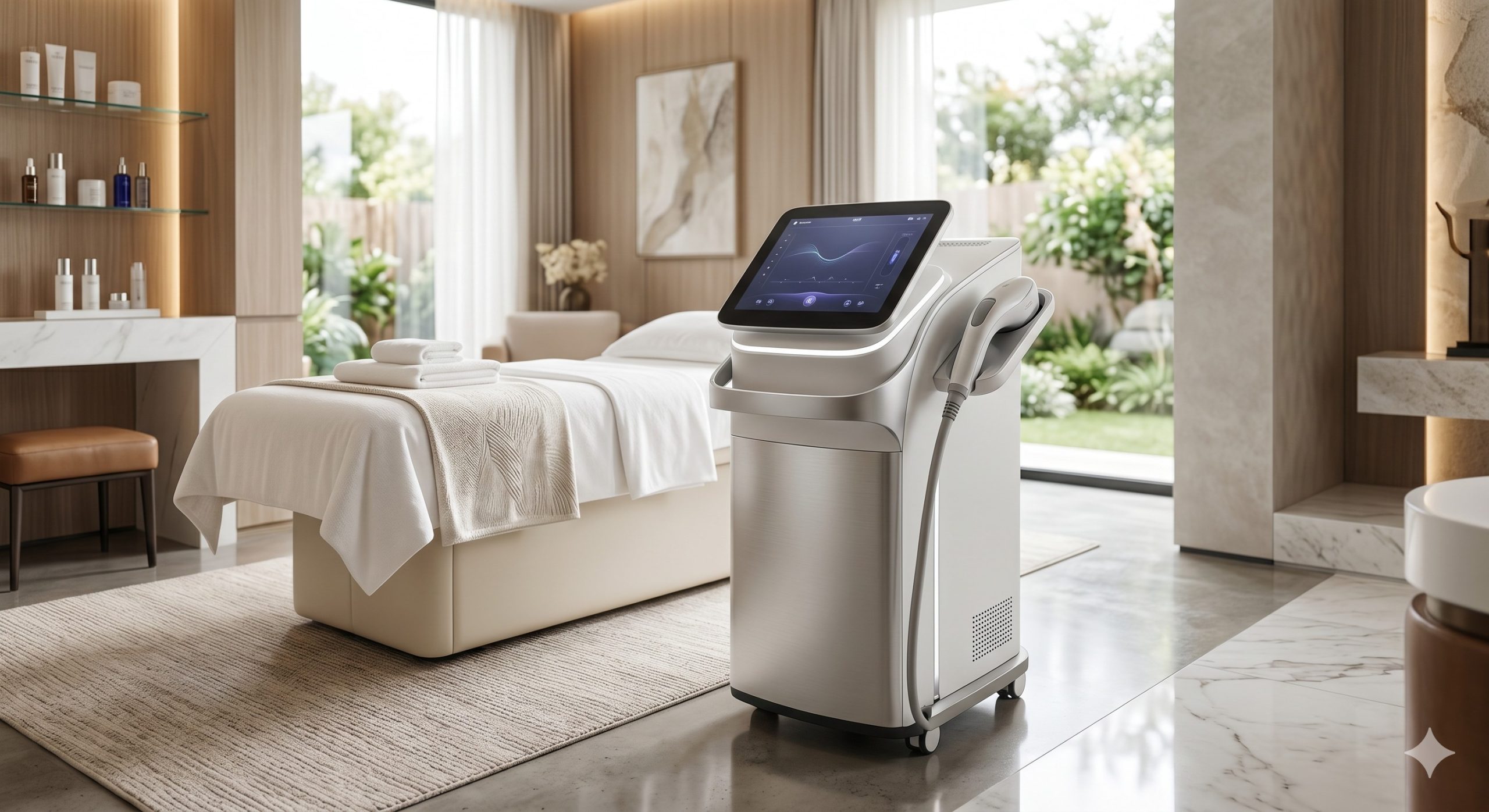 CLINICAL ARCHITECTURE & DESIGN
The fractional CO2 laser system is built upon a sophisticated architecture that integrates a high-power, sealed CO2 laser tube with advanced beam delivery optics and a precision scanning galvanometer. The core design philosophy centers on the generation of an optimized fractional pattern where the laser beam is divided into an array of microscopic beams, each delivering a high fluence to a precise focal point. This is achieved through a proprietary optical system that shapes and deflects the beam, allowing for rapid, uniform coverage of the target area. The system is equipped with a state-of-the-art, actively controlled water-based and TEC cooling mechanism integrated into the handpiece, ensuring that the epidermal surface is maintained at a safe and comfortable temperature during and immediately after the laser pulse. This design is critical for minimizing pain, reducing thermal damage to surrounding tissue, and accelerating recovery times, thus enabling aggressive treatment parameters on various skin phototypes. The entire assembly, from the RF-excited laser source to the final optical output, is housed in a robust, mobile chassis with a high-contrast, intuitive touchscreen interface for seamless operator control and protocol customization.
KEY INDICATIONS & CAPABILITIES
This fractional CO2 system is specifically indicated for the treatment of a wide spectrum of dermatological conditions, demonstrating exceptional clinical versatility. Primary indications include, but are not limited to: rhytids (periorbital, perioral, and forehead wrinkles), atrophic acne scars (boxcar, rolling, and icepick), surgical and traumatic scars, actinic keratosis (pre-malignant lesions), seborrheic keratosis, and generalized skin laxity and textural dyschromia. The device’s unique fractional technology and adjustable treatment parameters allow for highly customizable treatment protocols, ranging from superficial epidermal peeling to deep dermal remodeling. Deep-dermal treatments are capable of inducing significant tissue contraction and tightening, effectively addressing skin laxity in the lower face and neck. The system’s key capabilities include rapid scanning speeds (up to 400 spots per second), variable spot sizes (with multiple adjustable patterns and densities), and pulse energies up to 100 mJ per microbeam. This ensures rapid treatment times, typically under 30 minutes for a full face, with predictable and reproducible clinical outcomes across diverse patient demographics.
COMPLIANCE & STANDARDS
The fractional CO2 laser system is manufactured in strict accordance with the highest international quality and safety standards. The device bears the CE mark, affirming its compliance with the essential health and safety requirements set forth in the European Medical Devices Directive. It is also certified under the stringent requirements of the U.S. Food and Drug Administration (FDA) for the specific indications mentioned above. The manufacturing facility and quality management systems are certified to ISO 13485:2016, the international standard for medical device quality management. The system incorporates multiple redundant safety interlocks, including a precise patient contact sensor, an emergency stop mechanism, and a built-in calibration verification system that ensures the output energy and pulse duration are always within the specified range. All materials used in the manufacturing process are biocompatible and undergo rigorous testing to prevent any adverse reactions, ensuring the highest level of safety and reliability for both the operator and the patient.
TECHNICAL SPECIFICATIONS
CLINICAL ARCHITECTURE & DESIGN
The fractional CO2 laser system is built upon a sophisticated architecture that integrates a high-power, sealed CO2 laser tube with advanced beam delivery optics and a precision scanning galvanometer. The core design philosophy centers on the generation of an optimized fractional pattern where the laser beam is divided into an array of microscopic beams, each delivering a high fluence to a precise focal point. This is achieved through a proprietary optical system that shapes and deflects the beam, allowing for rapid, uniform coverage of the target area. The system is equipped with a state-of-the-art, actively controlled water-based and TEC cooling mechanism integrated into the handpiece, ensuring that the epidermal surface is maintained at a safe and comfortable temperature during and immediately after the laser pulse. This design is critical for minimizing pain, reducing thermal damage to surrounding tissue, and accelerating recovery times, thus enabling aggressive treatment parameters on various skin phototypes. The entire assembly, from the RF-excited laser source to the final optical output, is housed in a robust, mobile chassis with a high-contrast, intuitive touchscreen interface for seamless operator control and protocol customization.
KEY INDICATIONS & CAPABILITIES
This fractional CO2 system is specifically indicated for the treatment of a wide spectrum of dermatological conditions, demonstrating exceptional clinical versatility. Primary indications include, but are not limited to: rhytids (periorbital, perioral, and forehead wrinkles), atrophic acne scars (boxcar, rolling, and icepick), surgical and traumatic scars, actinic keratosis (pre-malignant lesions), seborrheic keratosis, and generalized skin laxity and textural dyschromia. The device’s unique fractional technology and adjustable treatment parameters allow for highly customizable treatment protocols, ranging from superficial epidermal peeling to deep dermal remodeling. Deep-dermal treatments are capable of inducing significant tissue contraction and tightening, effectively addressing skin laxity in the lower face and neck. The system’s key capabilities include rapid scanning speeds (up to 400 spots per second), variable spot sizes (with multiple adjustable patterns and densities), and pulse energies up to 100 mJ per microbeam. This ensures rapid treatment times, typically under 30 minutes for a full face, with predictable and reproducible clinical outcomes across diverse patient demographics.
COMPLIANCE & STANDARDS
The fractional CO2 laser system is manufactured in strict accordance with the highest international quality and safety standards. The device bears the CE mark, affirming its compliance with the essential health and safety requirements set forth in the European Medical Devices Directive. It is also certified under the stringent requirements of the U.S. Food and Drug Administration (FDA) for the specific indications mentioned above. The manufacturing facility and quality management systems are certified to ISO 13485:2016, the international standard for medical device quality management. The system incorporates multiple redundant safety interlocks, including a precise patient contact sensor, an emergency stop mechanism, and a built-in calibration verification system that ensures the output energy and pulse duration are always within the specified range. All materials used in the manufacturing process are biocompatible and undergo rigorous testing to prevent any adverse reactions, ensuring the highest level of safety and reliability for both the operator and the patient.
TECHNICAL SPECIFICATIONS
CLINICAL PROTOCOLS
The clinical efficacy and safety of the fractional CO2 system are deeply rooted in its versatile and evidence-based treatment protocols. The system’s intuitive software interface offers a library of pre-set treatment parameters for common indications and skin types, significantly reducing the learning curve for new operators. However, the device is designed for advanced users, providing full manual control over critical parameters such as scan pattern, spot size, density, depth, and pulse energy. A standard protocol for facial rejuvenation may involve a single, high-energy pass with a density of 5-15% and a depth of 100-200 microns. For deeper scars or wrinkles, a multi-pass technique with a density of 15-25% and a depth up to 400-600 microns can be employed. The cooling mechanism is always active, and the operator is guided by a real-time skin temperature monitor. The system stores patient-specific settings for easy recall, streamlining workflow for repeated treatments. A typical treatment session is concluded by the application of a post-procedure skin care regimen, including a sterile occlusive dressing and a topical antibiotic to protect the compromised skin barrier and promote rapid epithelialization. Follow-up protocols generally include patient visits at week 1, week 4, and week 12 to evaluate clinical improvements and manage any side effects.
CLINICAL ARCHITECTURE & DESIGN
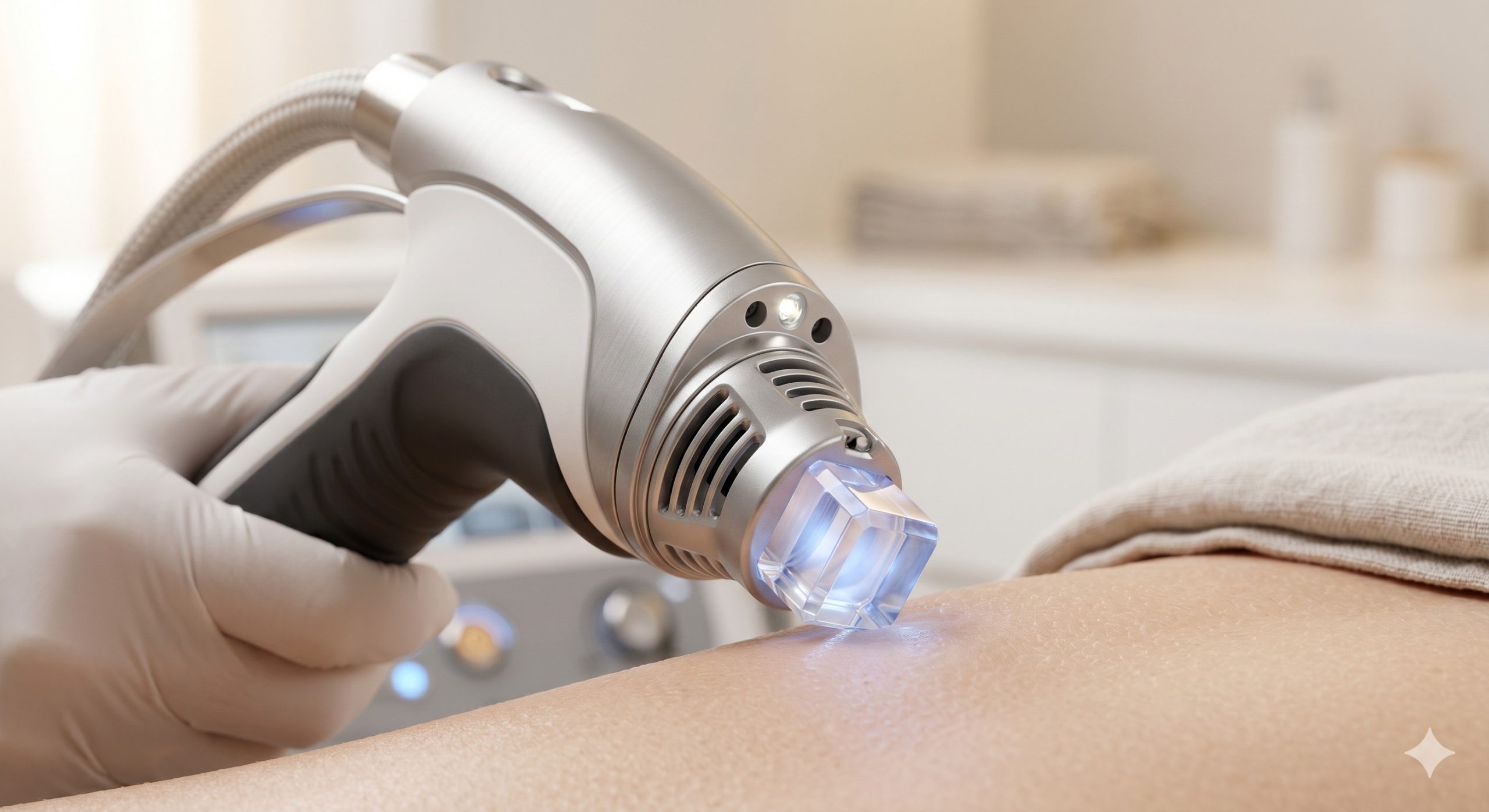
The fractional CO2 laser system is built upon a sophisticated architecture that integrates a high-power, sealed CO2 laser tube with advanced beam delivery optics and a precision scanning galvanometer. The core design philosophy centers on the generation of an optimized fractional pattern where the laser beam is divided into an array of microscopic beams, each delivering a high fluence to a precise focal point. This is achieved through a proprietary optical system that shapes and deflects the beam, allowing for rapid, uniform coverage of the target area. The system is equipped with a state-of-the-art, actively controlled water-based and TEC cooling mechanism integrated into the handpiece, ensuring that the epidermal surface is maintained at a safe and comfortable temperature during and immediately after the laser pulse. This design is critical for minimizing pain, reducing thermal damage to surrounding tissue, and accelerating recovery times, thus enabling aggressive treatment parameters on various skin phototypes. The entire assembly, from the RF-excited laser source to the final optical output, is housed in a robust, mobile chassis with a high-contrast, intuitive touchscreen interface for seamless operator control and protocol customization.
KEY INDICATIONS & CAPABILITIES
This fractional CO2 system is specifically indicated for the treatment of a wide spectrum of dermatological conditions, demonstrating exceptional clinical versatility. Primary indications include, but are not limited to: rhytids (periorbital, perioral, and forehead wrinkles), atrophic acne scars (boxcar, rolling, and icepick), surgical and traumatic scars, actinic keratosis (pre-malignant lesions), seborrheic keratosis, and generalized skin laxity and textural dyschromia. The device’s unique fractional technology and adjustable treatment parameters allow for highly customizable treatment protocols, ranging from superficial epidermal peeling to deep dermal remodeling. Deep-dermal treatments are capable of inducing significant tissue contraction and tightening, effectively addressing skin laxity in the lower face and neck. The system’s key capabilities include rapid scanning speeds (up to 400 spots per second), variable spot sizes (with multiple adjustable patterns and densities), and pulse energies up to 100 mJ per microbeam. This ensures rapid treatment times, typically under 30 minutes for a full face, with predictable and reproducible clinical outcomes across diverse patient demographics.
COMPLIANCE & STANDARDS
The fractional CO2 laser system is manufactured in strict accordance with the highest international quality and safety standards. The device bears the CE mark, affirming its compliance with the essential health and safety requirements set forth in the European Medical Devices Directive. It is also certified under the stringent requirements of the U.S. Food and Drug Administration (FDA) for the specific indications mentioned above. The manufacturing facility and quality management systems are certified to ISO 13485:2016, the international standard for medical device quality management. The system incorporates multiple redundant safety interlocks, including a precise patient contact sensor, an emergency stop mechanism, and a built-in calibration verification system that ensures the output energy and pulse duration are always within the specified range. All materials used in the manufacturing process are biocompatible and undergo rigorous testing to prevent any adverse reactions, ensuring the highest level of safety and reliability for both the operator and the patient.
TECHNICAL SPECIFICATIONS
| Parameter | Specification |
|---|---|
| Laser Type / Wavelength | Sealed CO2 / 10,600 nm |
| Fractional Spot Size | 120 µm – 300 µm (variable) |
| Scan Area / Pattern | Up to 20×20 mm / Adjustable |
| Pulse Energy per Spot | 5 mJ – 100 mJ |
| Max Power Output | 40 W |
| Cooling System | TEC + Sapphire + Water + Active Air |
| Interface | High-resolution Touchscreen |
| Dimensions (L x W x H) | 55 x 45 x 110 cm |
| Electrical Requirements | 110-240 V, 50/60 Hz, 15A |
📥 Download Technical Specification
Click the button below to view or download the full official PDF datasheet.
⬇️ Download Official PDF