Coolice Laser Hair Removal Machine FAQ: Expert Answers for Aesthetic Clinics & Dermatologists
Overview
For dermatologists and clinic owners investing in a Coolice laser hair removal machine, understanding technical specifications, maintenance demands, and patient suitability is critical to ROI. Below are expert answers to the most common pre-sales and post-sales questions.
Frequently Asked Questions
Q1: Is the Coolice laser hair removal machine suitable for all Fitzpatrick skin types?
Yes, the Coolice laser is designed to be safe and effective for Fitzpatrick skin types I through VI. It achieves this through a dual-wavelength diode laser (typically 755nm and 1064nm combination) that allows operators to select longer wavelengths for darker skin to avoid epidermal burning, while shorter wavelengths treat light skin efficiently. Always perform a spot test before full treatment.
Q2: How painful is Coolice laser hair removal compared to other diode lasers?
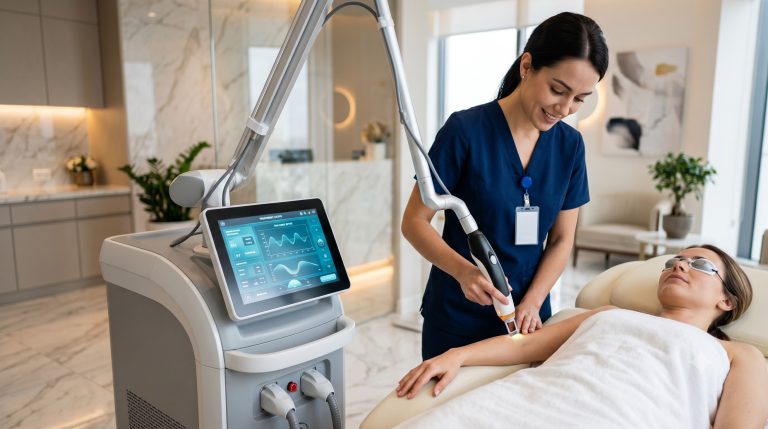
Coolice laser hair removal is rated as mild to moderate discomfort, significantly lower than traditional diode lasers. The integrated contact cooling system (sapphire tip at -4°C to 4°C) numbs the epidermis before the laser pulse fires, reducing sharp pain. Most patients describe the sensation as ‘a warm rubber band snap without residual burning’.
Q3: What is the typical lifespan of a Coolice laser handpiece and main console?
The main console of the Coolice laser hair removal machine operates for 8-10 years with proper maintenance. The handpiece diode laser module typically lasts 2,500,000 to 4,000,000 shots (about 3-5 years in a high-volume clinic). Monitor shot count on the built-in counter; after 3 million shots, energy output may degrade by 10-15%, requiring a handpiece replacement.
Q4: How is Coolice laser different from IPL and older alexandrite lasers?
The Coolice laser is superior to IPL and older alexandrite lasers in three key ways:
– vs IPL: IPL emits broad-spectrum light (500-1200nm), while Coolice uses precise 755/1064nm wavelengths, achieving 85-95% hair reduction after 6 sessions vs 60-70% with IPL.
– vs Older Alexandrite: Older alexandrite lasers lack contact cooling, causing higher pain and risk on skin types IV+. Coolice’s integrated cooling allows safe treatment on tanned or darker skin without blistering.
Q5: What are the ongoing consumable costs and maintenance for the Coolice machine?
Annual consumable and maintenance costs for a Coolice laser hair removal machine average $800-1,500 USD. Mandatory costs include:
– Tip replacement: every 3,000-5,000 shots ($45-80 each)
– Calibration: every 12 months ($300-500)
– Internal cooling fluid top-up: every 2 years ($120)
No expensive flash lamps or gels are required, unlike IPL systems.
Q6: Does the manufacturer provide clinical training and technical support for clinics?
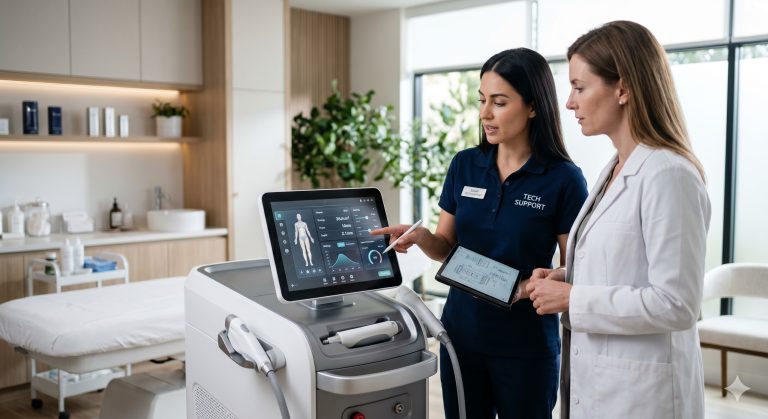
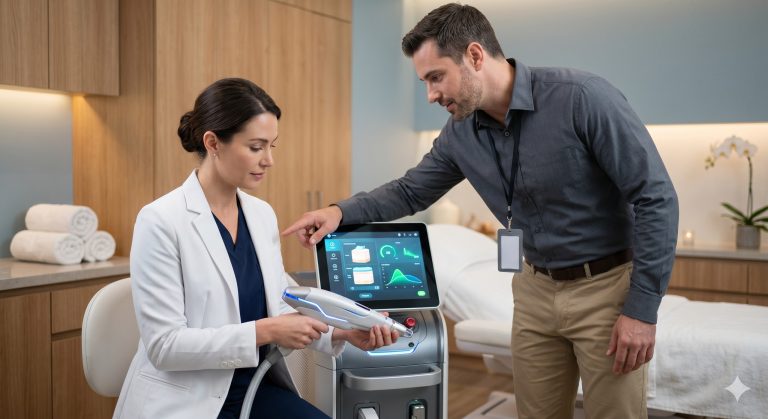
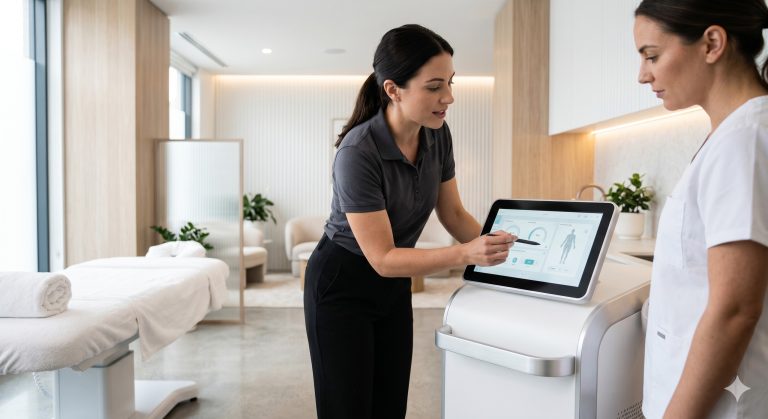
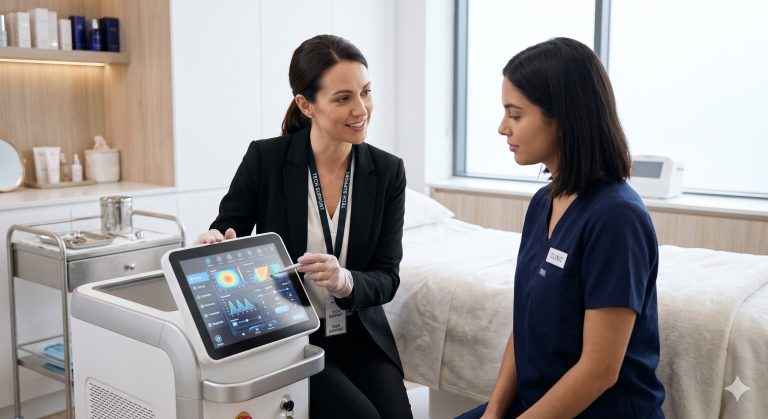
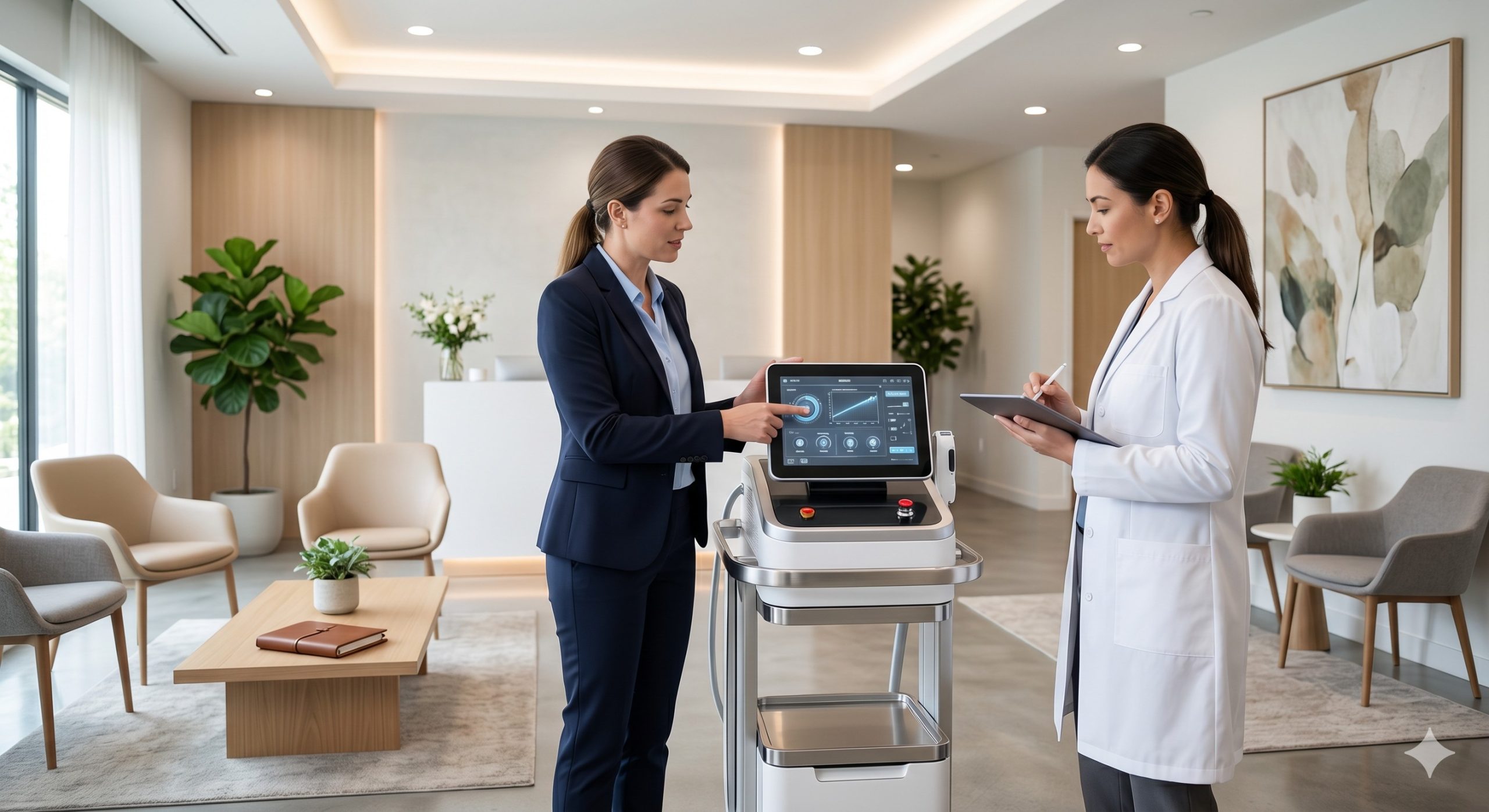
Yes, direct manufacturer training is included with all B2B Coolice laser purchases. This covers:
– On-site or virtual 2-day certified training (clinical protocols, spot testing, Fitzpatrick parameter mapping)
– 24/7 technical support hotline and remote diagnostics
– Annual advanced workshops for new techniques like large-area gliding method. Verify training is certified by your local medical board before purchase.
Q7: How long does each Coolice laser treatment session take for full legs?
A full leg treatment using the Coolice laser hair removal machine takes 25-35 minutes with the large spot size (12x12mm or 15x15mm) and gliding technique. This is 40% faster than older 10x10mm spot diodes due to higher repetition rate (up to 10Hz) and continuous contact cooling allowing non-stop gliding.
Q8: Is the Coolice laser FDA or CE certified for permanent hair reduction?
Yes, the Coolice laser hair removal machine holds both FDA 510(k) clearance and CE Mark (Class IIb) for permanent hair reduction claims. Verify current certification numbers directly with the supplier, as manufacturing updates occur. Always request a copy of the certificate with serialized matching to your machine.