360 HIFU Machine FAQ: Expert Answers for Aesthetic Clinics & Dermatologists
Overview
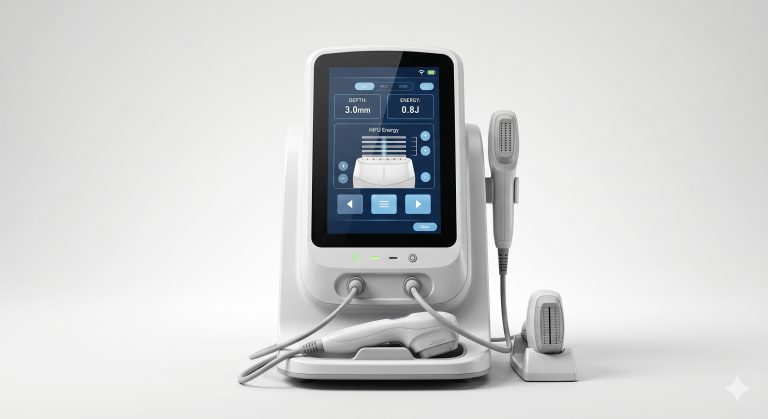
For aesthetic clinics and dermatology practices, the 360 HIFU (High-Intensity Focused Ultrasound) machine represents a non-invasive alternative to surgical lifts. This FAQ addresses the most critical pre-sales and post-sales technical questions from B2B buyers, covering skin type compatibility (Fitzpatrick scale), device longevity, maintenance costs, and clinical comparisons. The following answers are structured to support informed purchasing decisions and long-term ROI.
Frequently Asked Questions
Q1: Is the 360 HIFU machine suitable for all skin types on the Fitzpatrick scale?
Yes, the 360 HIFU machine is safe and effective for Fitzpatrick skin types I through VI. Unlike IPL or ablative lasers that target melanin and carry a high risk of post-inflammatory hyperpigmentation (PIH) on darker skin (IV-VI), 360 HIFU bypasses the epidermis entirely. The ultrasound energy is focused on precise depths (1.5mm, 3.0mm, 4.5mm) below the skin’s surface, making it universally applicable without risk of burns or pigmentation changes.
Q2: How painful is a 360 HIFU treatment, and what pain management options exist?
Most patients describe 360 HIFU treatment pain as a 2-4 out of 10 on the pain scale, characterized by brief, pinpoint electrical or pricking sensations during each ultrasound pulse. To manage discomfort, clinics can apply topical lidocaine/prilocaine cream 30-45 minutes prior, use oral analgesics (ibuprofen) 1 hour before, or select machines with integrated cooling handpieces. Newer 360 HIFU models also offer adjustable pulse energy and slower repetition rates to improve patient tolerance without sacrificing lift results.
Q3: What is the typical lifespan of a 360 HIFU machine and its handpieces?
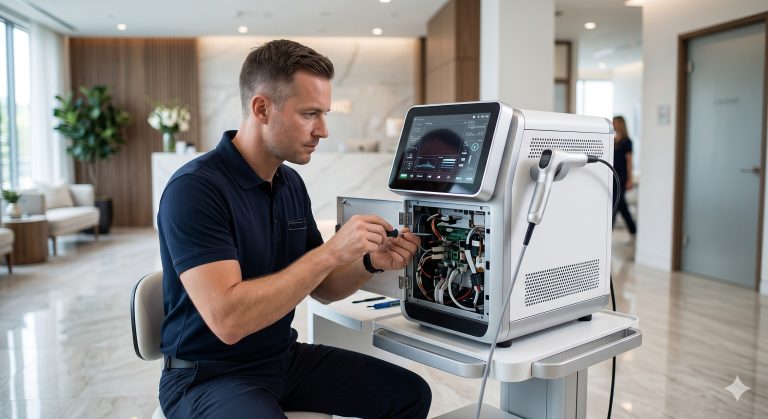
The main console of a professional 360 HIFU machine has a lifespan of 7-10 years with proper maintenance. The handpieces, however, are consumables: each cartridge or probe has a finite number of lines or pulses (typically 3,000 to 12,000 shots). A busy clinic performing 10-15 full-face treatments per week can expect to replace handpieces every 8-12 months. Always verify the manufacturer’s declared pulse count and that the machine tracks remaining shots digitally.
Q4: What is the main difference between 360 HIFU and IPL or older laser tightening devices?
Unlike IPL (Intense Pulsed Light) which only treats superficial pigmentation and vascular lesions, and older laser tightening devices which heat the dermis broadly, 360 HIFU delivers focused ultrasound energy to create precise thermal coagulation points (TCPs) at the SMAS (Superficial Musculoaponeurotic System) layer – the same layer targeted in surgical facelifts. IPL and lasers scatter energy, whereas HIFU bypasses the skin surface, achieving lift and collagen remodeling down to 4.5mm depth without compromising the epidermis.
Q5: What are the ongoing maintenance requirements and consumable costs for a 360 HIFU machine?
Annual preventive maintenance for a 360 HIFU machine averages $800-$1,500, including calibration of ultrasound output, cooling system checks, and software updates. Variable consumable costs include: HIFU cartridges ($300-$800 each, delivering 3,000-8,000 lines), coupling ultrasound gel ($20-$50 monthly), and distilled water for the cooling system ($10 monthly). Clinics should calculate cost-per-treatment: typically $30-$60 per face in consumables, allowing $300-$800 per session patient pricing.
Q6: What technical training is provided for clinicians new to 360 HIFU?
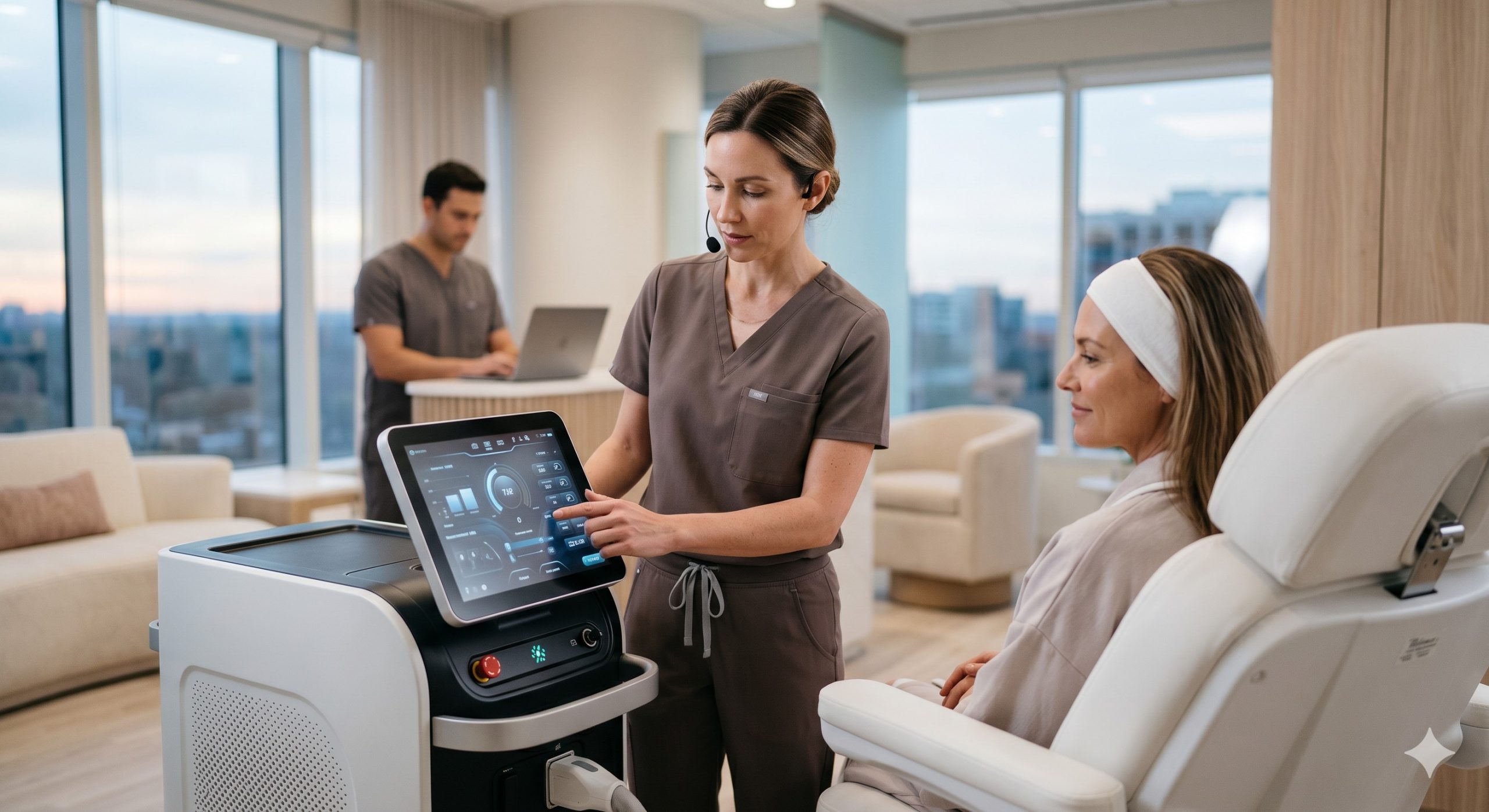
Reputable 360 HIFU suppliers provide a mandatory 2-day on-site or virtual certification program covering: ultrasound anatomy, treatment mapping for 1.5mm (fine lines), 3.0mm (dermis), and 4.5mm (SMAS) depths, energy setting protocols by skin thickness, and safety shutdown procedures. Clinics should also receive a detailed manual with pre-programmed treatment protocols for face, neck, and body (abdomen, arms, thighs). Post-training, technical support via video call or remote access is standard for 60-90 days.
Q7: How many 360 HIFU treatment sessions are needed for optimal results?
For 90% of patients, a single 360 HIFU session produces visible lifting and tightening, with full collagen remodeling results appearing between 3-6 months post-treatment. However, patients with severe skin laxity (Grade 3-4 on the Merz scale) may require 2-3 sessions spaced 4-6 months apart. Clinics should communicate that maintenance sessions once every 12-18 months are recommended to sustain results, unlike temporary fillers which require 6-12 month repeat visits.
Q8: What is the expected ROI timeline for a clinic investing in a 360 HIFU machine?
Based on an average $18,000-$35,000 capital investment, a clinic performing 12-15 full-face 360 HIFU treatments per month at $500-$800 each can achieve full ROI within 5-9 months. Break-even analysis example: $25,000 machine + $3,000 annual consumables ÷ ($600 average treatment price – $40 consumable cost) = approximately 47 treatments or 4 months at 12 treatments/week. Higher-volume clinics add dedicated HIFU service packages to increase patient retention and per-chair revenue significantly.